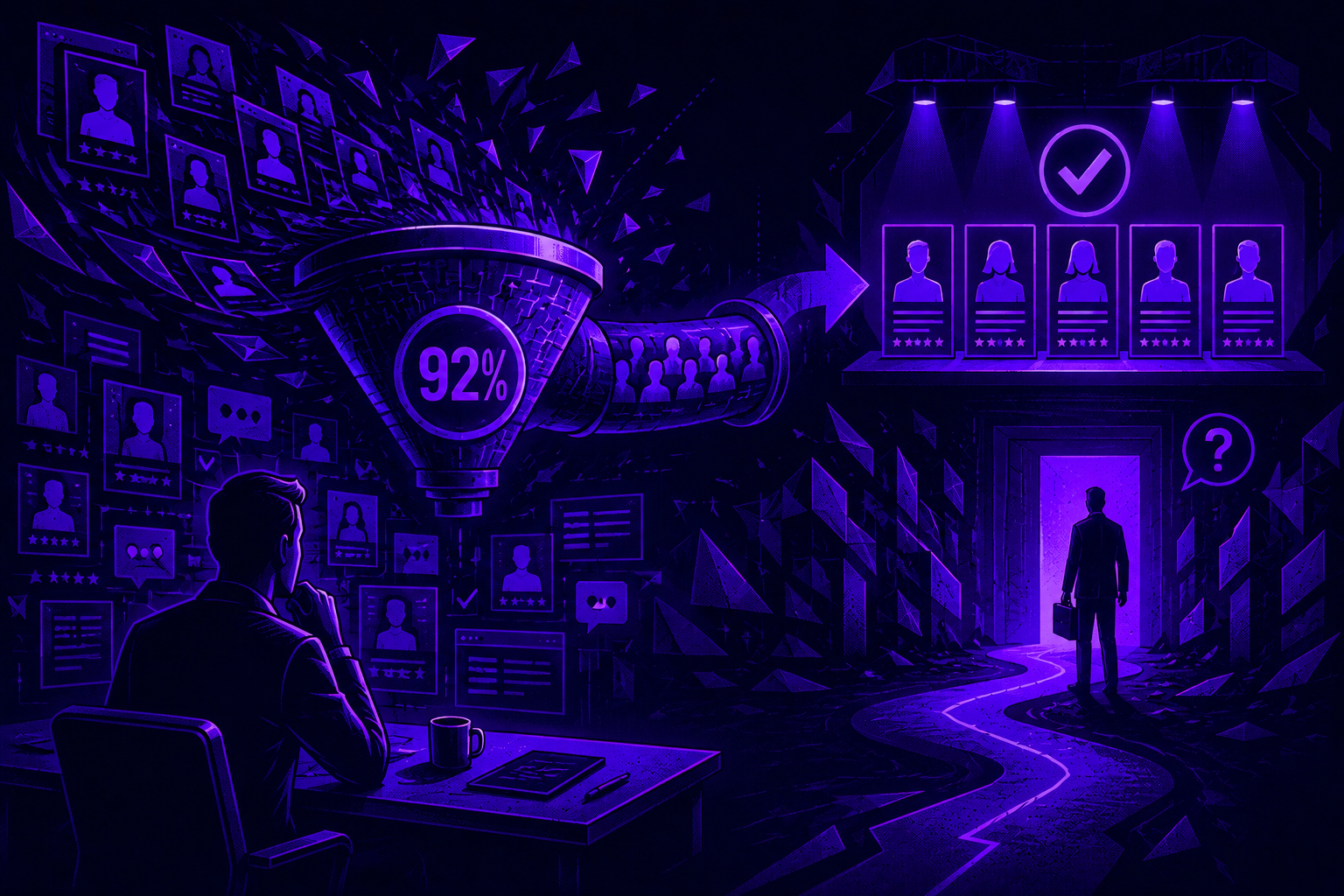
The email lands in the inbox. The subject line includes your name. The opening greets you personally. And you delete it without a second thought because it's still selling you products you'd never buy, at times you'd never shop, in a tone that feels like a script.
This is the paradox of modern email marketing. We've mastered the superficial signals of personalization while missing its substance entirely. Adding a first name to a subject line was revolutionary in 2010. In 2026, it's the baseline, and consumers know the difference between a mail merge and a message that truly understands them.
The definition of personalization has fundamentally shifted. It is no longer about what you say to a subscriber, but when you say it, how you say it, and whether it reflects a genuine understanding of their individual journey. The brands winning the inbox today aren't just customizing copy; they're orchestrating entire communication ecosystems that adapt in real time to each subscriber's behaviour, preferences, and context.
Let's retire the old definition. Personalization is not:
Personalization in 2026 is dynamic, predictive, and omnichannel. It uses artificial intelligence to analyze thousands of behavioural signals, past purchases, browsing history, email engagement patterns, support interactions, and even real-time intent data to deliver a unique experience to each subscriber at the exact moment they're most receptive.
Think of it this way: Two subscribers receive the same "New Arrivals" email from a fashion retailer. Subscriber A sees a curated grid of petite-sized sustainable basics in neutral tones, priced under $75, with copy emphasizing eco-friendly materials. Subscriber B sees bold statement pieces in extended sizes, premium price points, and messaging about exclusive designer collaborations. Neither knows the other's version exists. Both feel like the brand genuinely understands them.
This is hyper-personalization at scale, and in 2026, it's not a competitive advantage. It's the cost of entry.
The statistics are unequivocal. Every major study on email personalization reaches the same conclusion: personalized emails outperform generic templates across every metric.
Given that only 9% of sales emails get opened in the first place, personalization is one of the most effective levers for improving that rate. It takes a few extra minutes to customize each message, but the data shows those minutes are well invested.
But the case for personalization goes deeper than metrics. Consumer expectations have fundamentally changed. Research from 2024 and 2025 consistently shows that 70-80% of consumers still prefer email for promotional offers and account updates over other channels. About 75% of consumers specifically choose email over SMS, social DMs, or other formats when they want to hear from brands. They're not just tolerating email, they're choosing it. But they're choosing it on the condition that it serves them.
The brands that fail to deliver relevance won't just see lower open rates; they'll also see lower engagement. They'll see their emails actively filtered out of primary inboxes by increasingly intelligent inbox providers.
Here's the development that changes everything: you no longer control whether your email gets seen.
Inbox providers, Gmail, Outlook, Apple Mail, Yahoo, have become AI-driven assistants that prioritize, summarize, and filter messages on behalf of users. By 2026, these algorithms weigh behaviour signals more heavily than ever before:
Gmail's February 2024 bulk sender requirements laid the groundwork for this stricter filtering environment. Those rules, requiring one-click unsubscribe functionality, complaint rate thresholds below 0.3%, and proper authentication, weren't just 2024 news. They established the baseline that continues to tighten through 2026.
But the real game-changer is AI summarization. Gmail's new "Help Me Write" feature learns users' writing styles and can personalize emails on their behalf. More significantly, AI tools built into platforms such as Gmail and Outlook can now summarize emails and surface key information without the user ever opening them. This means a message can be consumed without generating a traditional open, rendering open rates increasingly unreliable.
The inbox of 2026 is not a static list of messages sorted by time. It is a dynamic, personalized feed where your email's placement depends entirely on how valuable the algorithm predicts it will be to that specific user.
The implication is stark: if your emails aren't consistently delivering relevance and engagement, you won't just have low open rates. You'll be invisible.
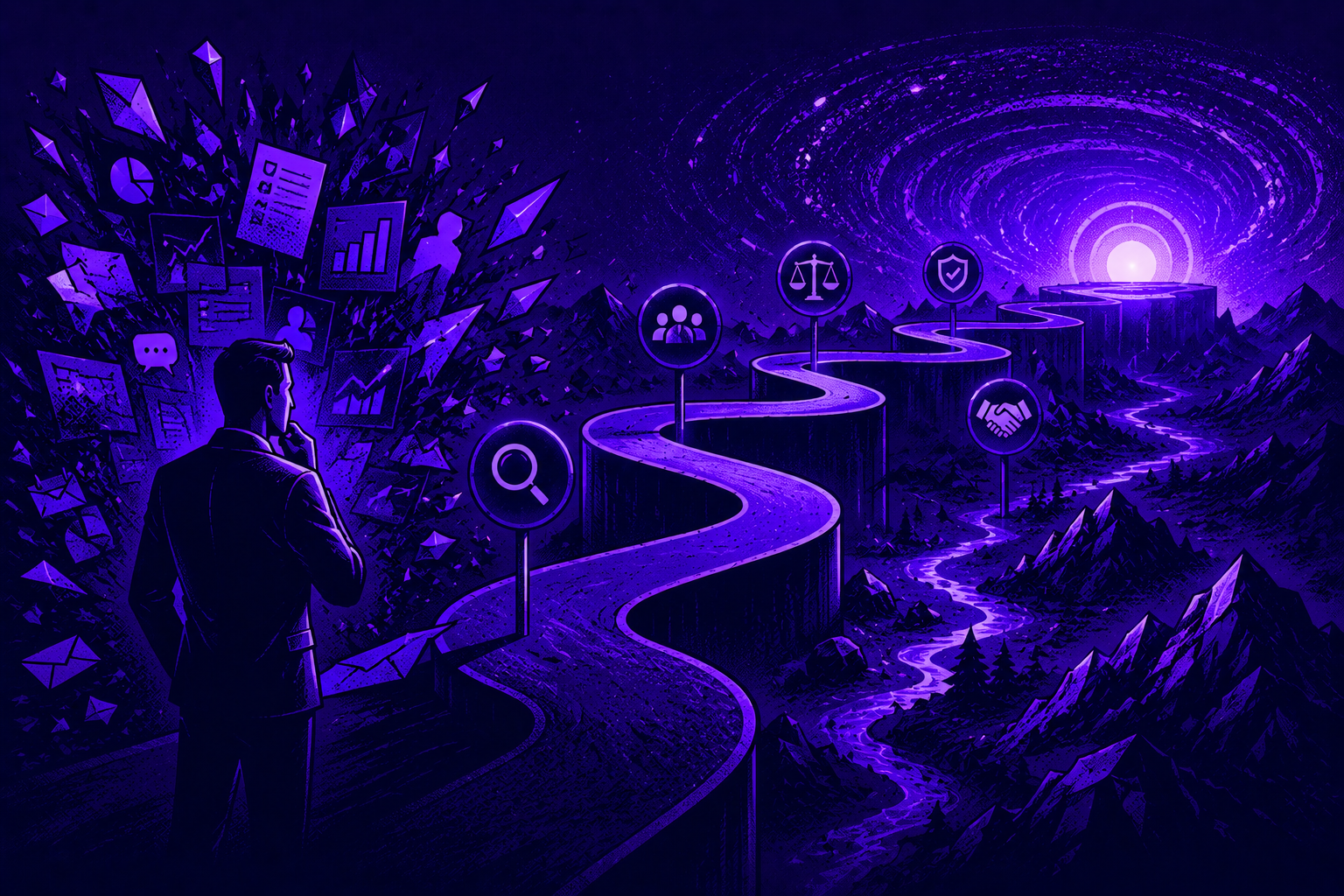
So how do you win in this environment? The old playbook of batch-and-blast campaigns and superficial personalization is dead. Here's what replaces it.
Hyper-personalization runs on data, but not just any data. In 2026, the most valuable fuel is zero-party data: information customers explicitly and proactively share with your brand. This includes:
Zero-party data is gold because it's intentional. Customers are telling you exactly what they want. When combined with first-party behavioural data (website visits, email clicks, purchase history), it creates a comprehensive view that makes true personalization possible.
Legacy personalization meant creating segments and sending slightly different emails to each. Modern personalization means every email adapts in real time to the individual receiving it.
Consider a streaming subscriber who hasn't logged in for 30 days. A legacy system might send a generic "We miss you" email. An intelligent system sends a personalized message featuring new releases in their favorite genres, paired with a reminder of the value they've been missing. The difference isn't just in content, it's in timeliness and relevance.
Real-time personalization requires:
Apple's Mail Privacy Protection, introduced back in 2021, fundamentally changed how we measure email opens. By 2024-2025, this had already made open rates less reliable, and that trend continues into 2026. AI summarization makes it even worse.
Smart marketers have shifted their focus to metrics that reflect genuine user engagement:
The DMA Email Council's 2026 guidance is clear: "Review your reporting framework to reduce emphasis on opens. Track clicks, click reach and downstream behaviours instead".
With AI systems now reading emails on behalf of users, email design needs to evolve. Key considerations:
Accessibility also matters for human readers. Clear text design, high contrast, meaningful alt text for images, and strong contrast benefit everyone, and ensure your message gets through regardless of how it's consumed.
Automated lifecycle campaigns have become the backbone of effective email marketing, guiding customers from their very first interaction through every stage of their journey. In 2026, these campaigns are more sophisticated than ever:
The key difference between 2023 and 2026 approaches is stark:
2023 approach: Manually create two subject line variants. Run an A/B test for 4 hours. Pick a winner. Send to the rest of the list. Analyze results next week.
2026 approach: AI generates personalized subject lines for each subscriber based on their individual history. Send times optimize automatically. Content blocks assemble dynamically. The system learns from every interaction and adjusts continuously.
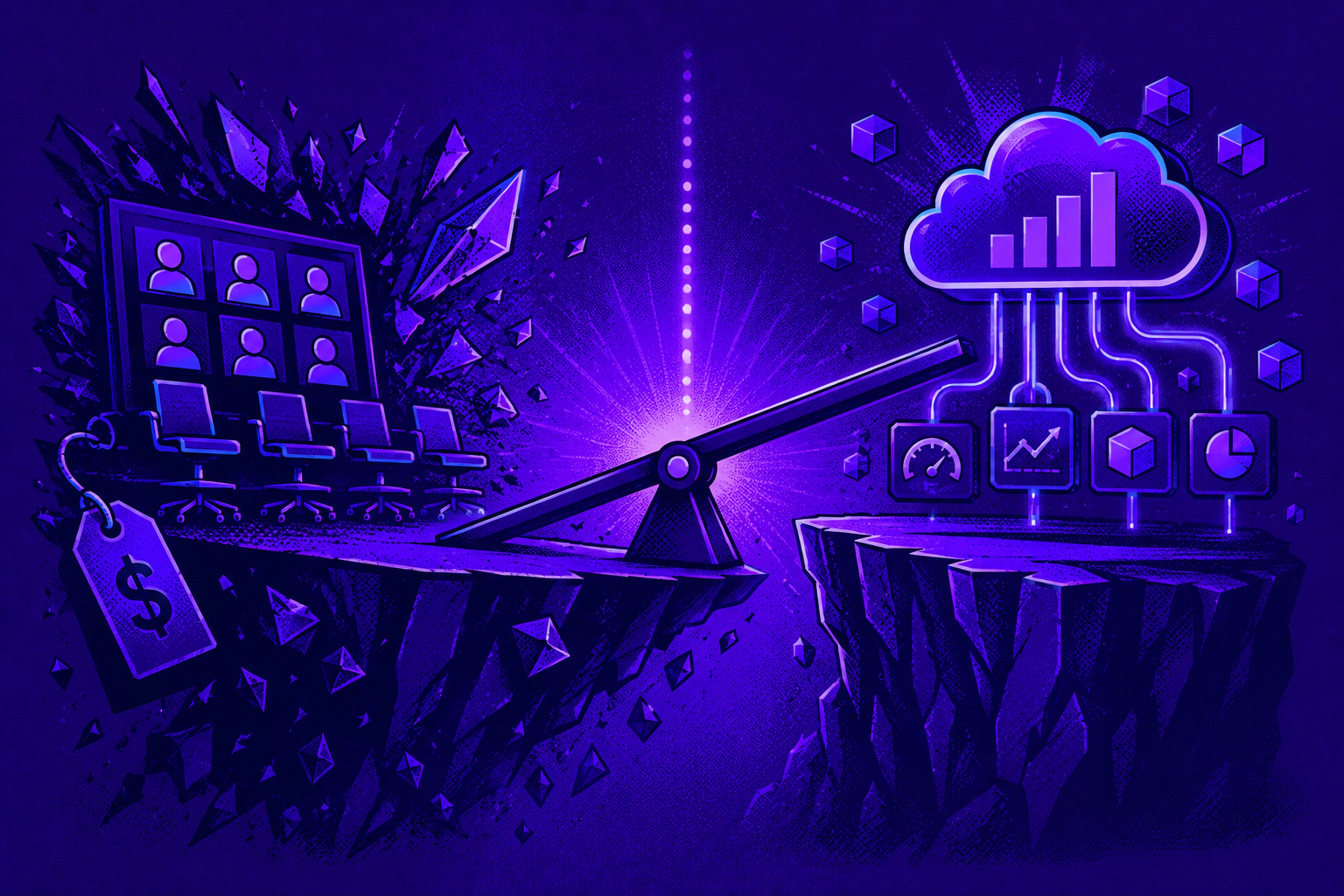
Delivering this level of personalization requires more than an email service provider. It requires a modern marketing platform built on four pillars:
Legacy ESPs force you to work with fragmented data: subscriber behaviour in one system, support tickets in another, purchase history in a third. Modern platforms consolidate every touchpoint into a single customer view that becomes your comprehensive source of truth.
Legacy systems process data in batches, often with hours or days of delay. Modern platforms ingest customer behaviour in real time and activate campaigns immediately, allowing you to respond to critical moments the moment they happen.
Your email strategy shouldn't exist in isolation. Modern platforms orchestrate seamless journeys across email, SMS, push notifications, web personalization, and even offline touchpoints.
Leadership doesn't care about open rates. They care about customer lifetime value, churn reduction, and revenue growth. Modern platforms connect email performance directly to business outcomes.
All this data collection and personalization comes with a responsibility. Data privacy regulations continue to tighten globally, and consumer skepticism about how their information is used is at an all-time high.
Winning teams build trust by:
The General Data Protection Regulation (GDPR) in Europe, the California Consumer Privacy Act (CCPA), and similar laws in other states set strict rules for handling personal data. Compliance isn't optional, and neither is earning the ongoing trust of your subscribers.
The era of treating personalization as a feature is over. It is now the operating system upon which successful email marketing runs. The brands winning the inbox in 2026 are those that have moved beyond superficial customization to build genuine, adaptive relationships with each subscriber.
They understand that personalization isn't about proving you know someone's name. It's about proving you understand their needs, their timing, and their context and that you'll use that understanding to deliver value, not just volume.
The inbox of the future belongs to brands that treat every subscriber as the individual they are. Not a segment. Not a demographic. Not a data point. A person.
And people, it turns out, respond best when they feel genuinely seen.
Is your email strategy ready for the intelligent inbox? Let's audit your current personalization approach and build a roadmap for 2026. Book a complimentary Email Strategy Session.