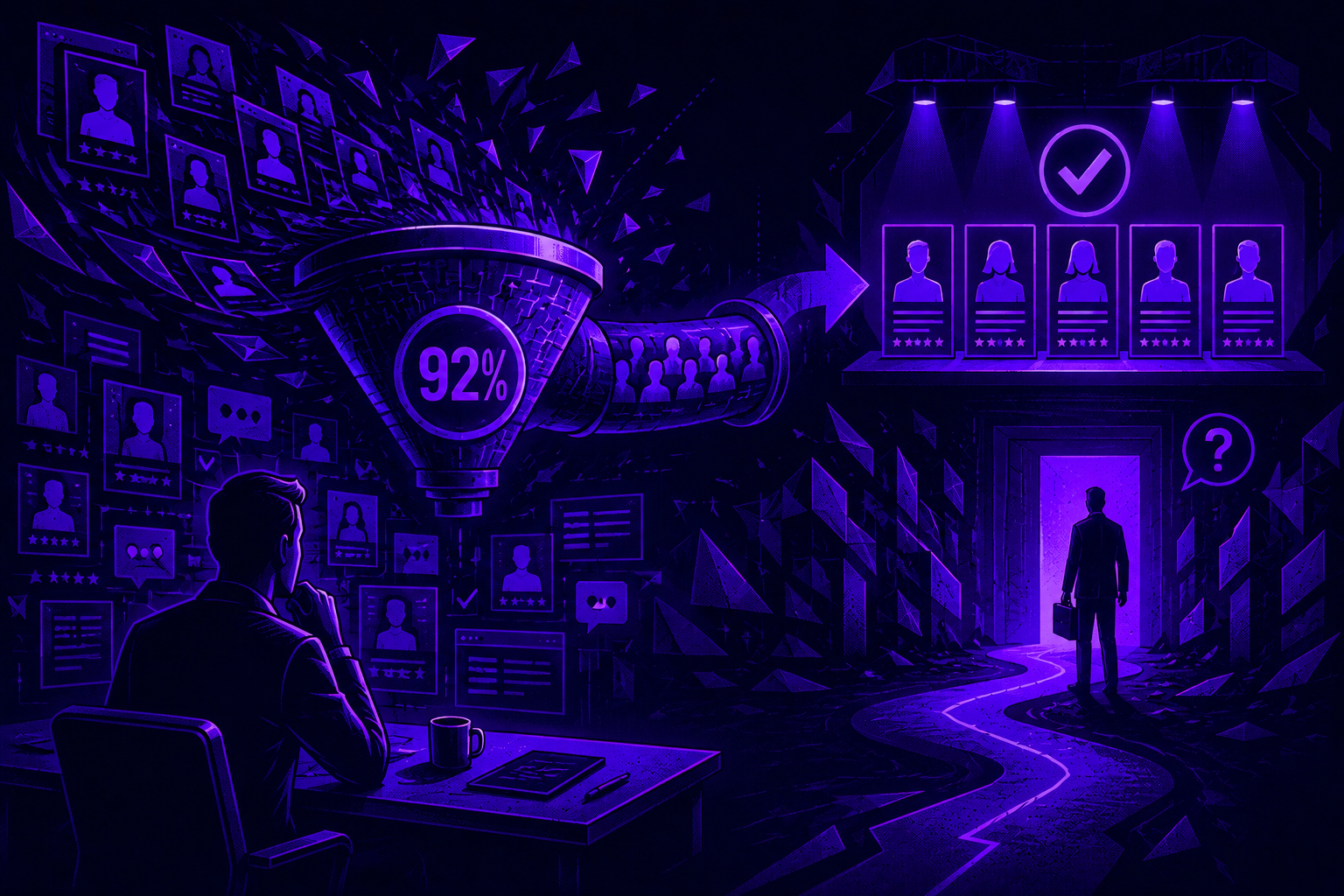
The AI is ready. Your models are trained, your integrations are live, and your dashboards are glowing with machine-generated insights. Yet, your team is hesitant. They glance at the recommendations, then override them with gut instinct. They use the AI for busywork but ignore its strategic suggestions. The technology is implemented, but the partnership hasn't begun.
This is the hidden barrier to AI ROI: the trust gap. You have built an algorithmic co-pilot, but your human pilots refuse to hand over the controls. The gap isn't in the code; it's in the psychology of collaboration between human and machine.
Building AI is a technical challenge. Building trust in AI is a human challenge. And in the race to deploy artificial intelligence, the organizations that win will not be those with the most advanced models, but those with the most confident, capable users who know when to trust the algorithm and when to question it.
The resistance to AI is rarely about capability. It's about credibility, control, and comprehension. Understanding these three dimensions is the first step to bridging the gap.
1. The Credibility Deficit ("Why should I believe this?")
Your team has been burned before. A forecasting tool was wrong. A lead-scoring model favoured the wrong prospects. Past algorithms that over-promised and under-delivered have created a legacy of skepticism. Every AI recommendation arrives with baggage: the memory of previous failures. Trust is built on a history of reliability, and if your AI is new, it has no history.
2. The Control Anxiety ("Am I being replaced?")
Beneath the surface of every AI adoption lies a primal fear: obsolescence. When a sales rep sees an AI suggesting their next call or predicting their close rate, it can feel less like a tool and more like an evaluation. The algorithm becomes a silent judge, and the human response is defensive resistance. Trust requires psychological safety, and a perceived threat undermines it.
3. The Comprehension Barrier ("How did it get that answer?")
The most powerful AI models are often the most opaque. When a recommendation appears without explanation a "black box" output it's nearly impossible for a human to know when to trust it. If the co-pilot suggests a course correction but won't show its navigation chart, the pilot will rightfully hesitate. Transparency is the precondition for confidence.
The business impact of this trust gap is now measurable and significant.
Trust is not a switch you flip. It is a muscle you build. Organizations must deliberately guide their teams through a progression of confidence in the algorithmic co-pilot.
Stage 1: Transparency - "Show Your Work"
Before trust can form, there must be understanding. Every AI output must be accompanied by its reasoning.
Stage 2: Calibration - "Learn Together"
Trust is built through shared experience. Create feedback loops where humans and algorithms calibrate each other.
Stage 3: Empowerment - "Give Them Agency"
The goal is not to replace human judgment but to elevate it. Frame the co-pilot as an amplifier of human capability, not a substitute.
Stage 4: Partnership - "Shared Accountability"
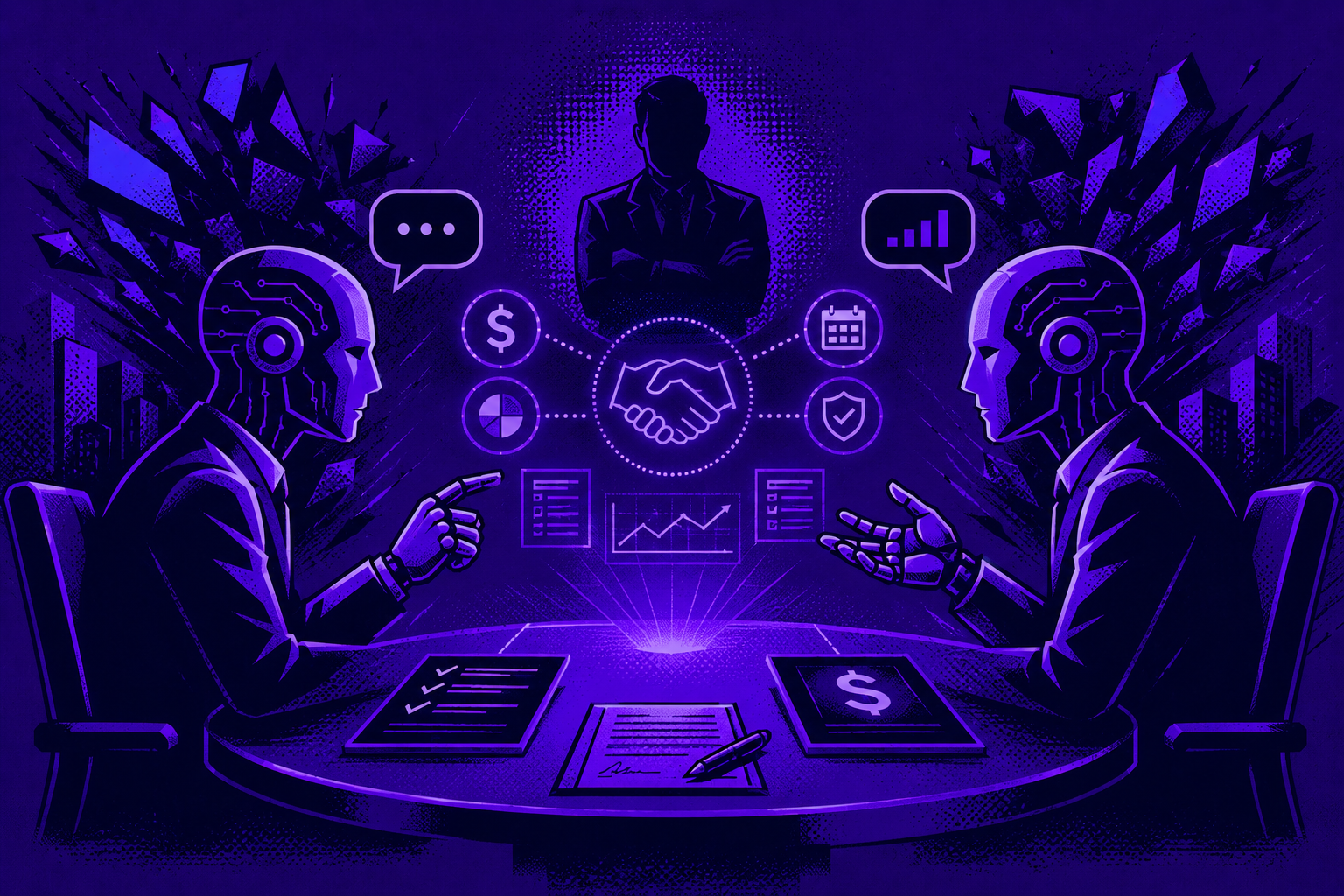
At the highest level of trust, the human and AI operate as a single cognitive unit. The line between human insight and machine intelligence blurs into collective wisdom.
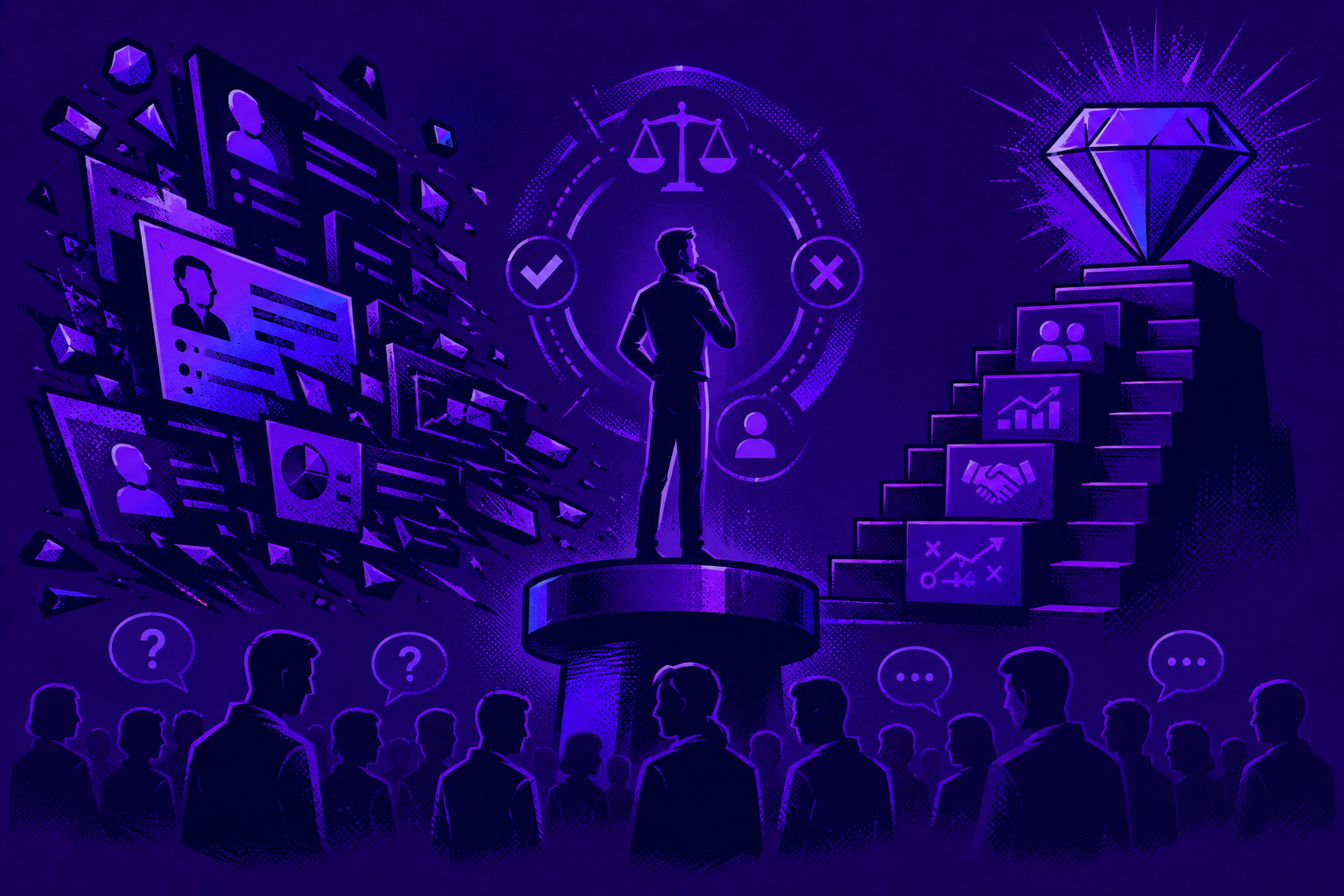
A final, counterintuitive truth: trust in AI is not built through obedience, but through intelligent disobedience. The most successful human-AI partnerships are not those where the human follows every recommendation, but those where the human knows precisely when to challenge the machine.
Teach your team that their role is not to implement AI outputs, but to interrogate them. The algorithm sees correlations; the human understands context. The machine spots patterns; the person grasps nuance. A co-pilot is not a replacement for the pilot. It is a second set of eyes, a tireless analyst, a memory without limit. But the final decision, and the accountability for it, remains human.
The organizations that will dominate the next decade are not building AI to replace their people. They are building AI to make their people irreplaceable. They are designing algorithmic co-pilots that augment human judgment, not override it. And they are investing as much in the psychology of adoption as in the technology of deployment.
The question before you is not whether your AI is powerful enough. It is whether your people are confident enough to use it. The co-pilot is ready. The question is: are your pilots ready to trust it?
Is your team ready to trust your AI? Book a complimentary AI Strategy Session.