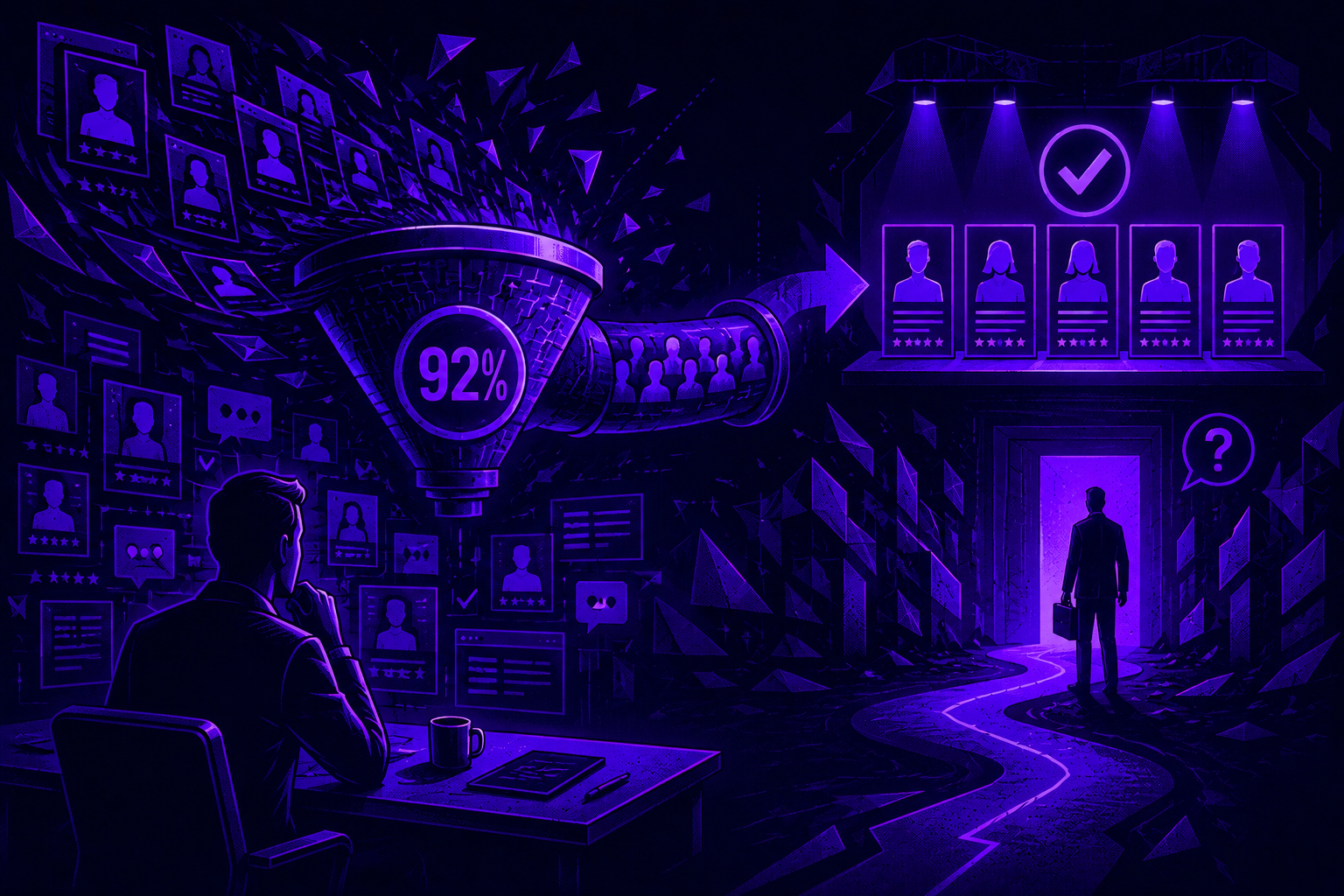
Your sales team has never been more efficient. AI tools handle prospecting, draft personalized emails, summarize discovery calls, and even suggest next steps. Reps spend less time on data entry and more time in conversations. The metrics look impressive: more calls, more emails, more meetings booked.
Yet deals are stalling. Buyers seem more guarded. The trust that used to accelerate decisions is nowhere to be found.
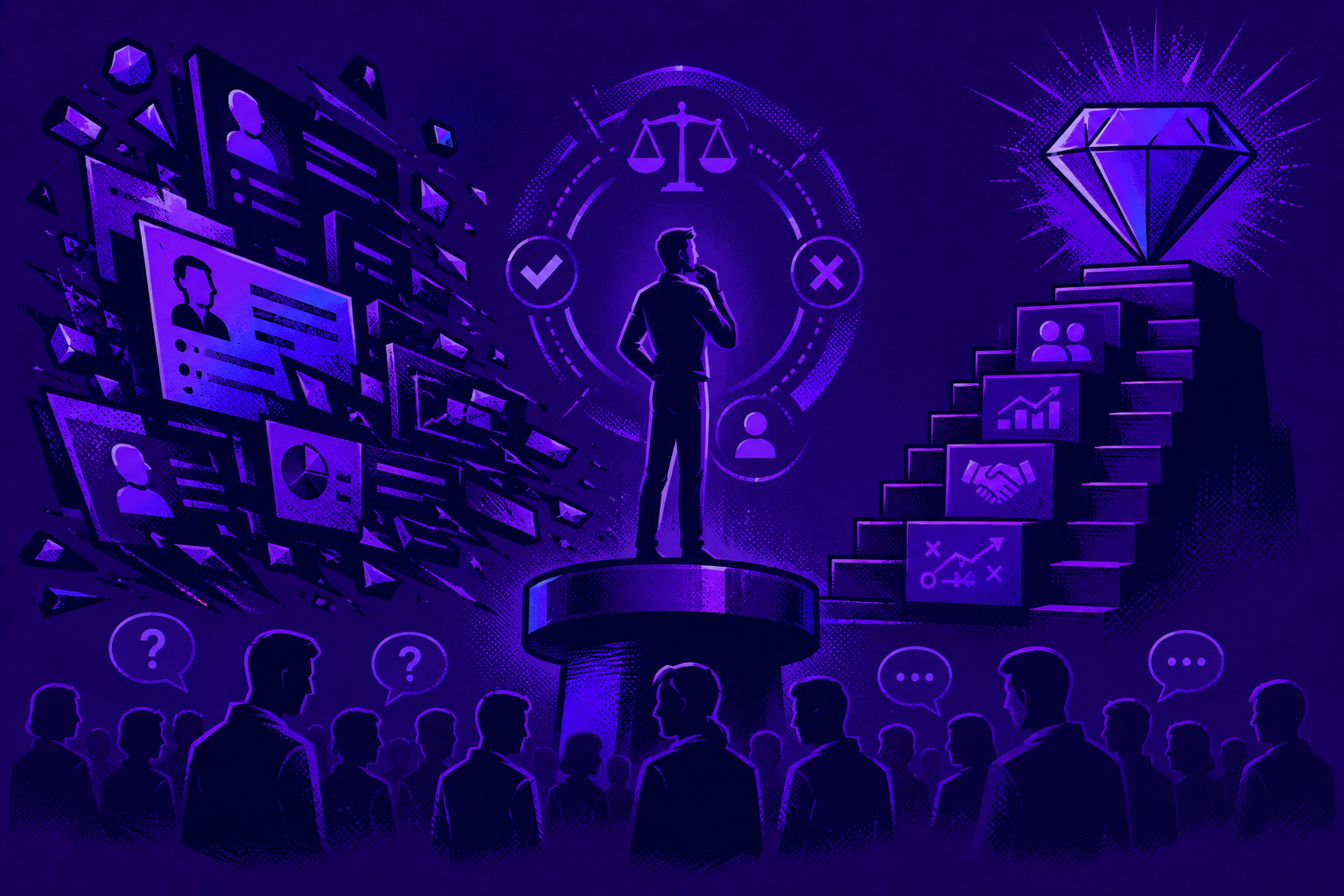
Here is the uncomfortable truth of 2026: efficiency without connection is just speed toward nowhere. The organizations winning in this new era have discovered a counterintuitive formula. They use AI for the math, the data, the patterns, the predictions. And they reserve their humans for "the mess" the emotions, the misalignments, the unspoken fears, and the fragile trust that no algorithm can manufacture.
This is the sales superpower: AI + EQ.
For the past two years, the dominant narrative has been that AI will replace salespeople. Generate leads, qualify prospects, handle objections, close deals, all without a human in sight.
That future has not arrived. And according to the 2026 Gartner Sales Technology Survey, it is not arriving anytime soon. The survey found that while 84% of sales organizations use AI for some function, only 12% report that AI fully replaces human sellers in any stage of the sales cycle. The rest have discovered what early adopters learned the hard way: AI excels at tasks that are predictable, data-intensive, and rule-based. It fails at tasks that require intuition, emotional calibration, and the ability to navigate conflicting human interests.
The sales cycle is not a spreadsheet. It is a relationship.
AI is extraordinary at the analytical side of selling. Deploy it here without hesitation.
Prospecting and prioritization: AI scans millions of signals to identify which accounts are most likely to buy, which contacts are most influential, and what timing is optimal.
Personalization at scale: AI generates tailored emails, social touches, and content recommendations for hundreds of prospects simultaneously, each message adapted to industry, role, and observed behavior.
Call analysis and coaching: AI transcribes every conversation, identifies talk-to-listen ratios, flags objections, and highlights competitive mentions. It gives reps a post-game breakdown that no manager could produce manually.
Forecasting and pipeline management: AI aggregates activity data, deal history, and external signals to predict close dates with increasing accuracy. It flags at-risk deals before they stall.
Administrative elimination: AI auto-updates CRM, schedules follow-ups, and drafts meeting summaries. It returns hours to the rep's week.
These are math problems. AI solves them brilliantly.
Now consider what AI cannot do. This is the messy, emotional, deeply human territory that defines the difference between a transaction and a partnership.
Reading the room: AI can detect sentiment in a transcript. It cannot sense the shift in energy when a buyer's attention drifts, or the subtle tension when two stakeholders disagree. Humans feel these cues in real time and adapt on the fly.
Navigating internal politics: A deal often stalls not because the product doesn't fit, but because the champion lacks authority, the economic buyer is risk-averse, or there is unspoken competition between departments. AI cannot map these invisible power dynamics. A skilled seller can.
Building trust through vulnerability: Trust is not built through perfect answers. It is built through admission of limitations, honest tradeoff discussions, and genuine curiosity about the buyer's world. These are acts of vulnerability. Algorithms cannot be vulnerable.
Handling emotion in real time: A buyer expresses frustration, fear, or excitement. AI can detect the emotion. It cannot respond to it with genuine empathy, because empathy requires having felt something yourself. Humans can.
Making judgment calls in ambiguity: The data says one thing. The conversation suggests another. AI defaults to the data. A human seller knows when to follow the pattern and when to break it.
This is the mess. And the mess is where deals are won or lost.
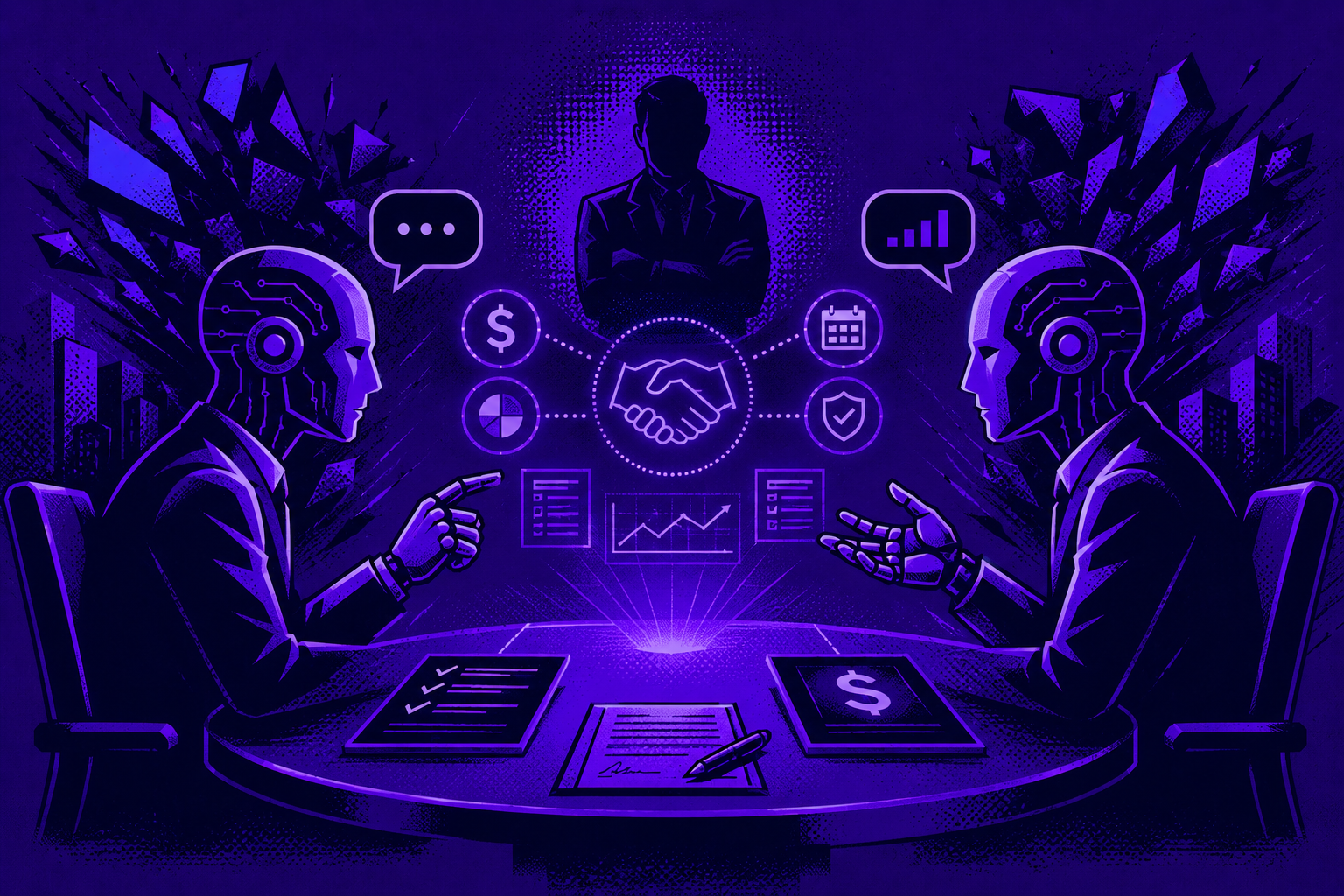
The winning formula is not AI replacing humans. It is AI augmenting humans so that humans can focus on what only they can do.
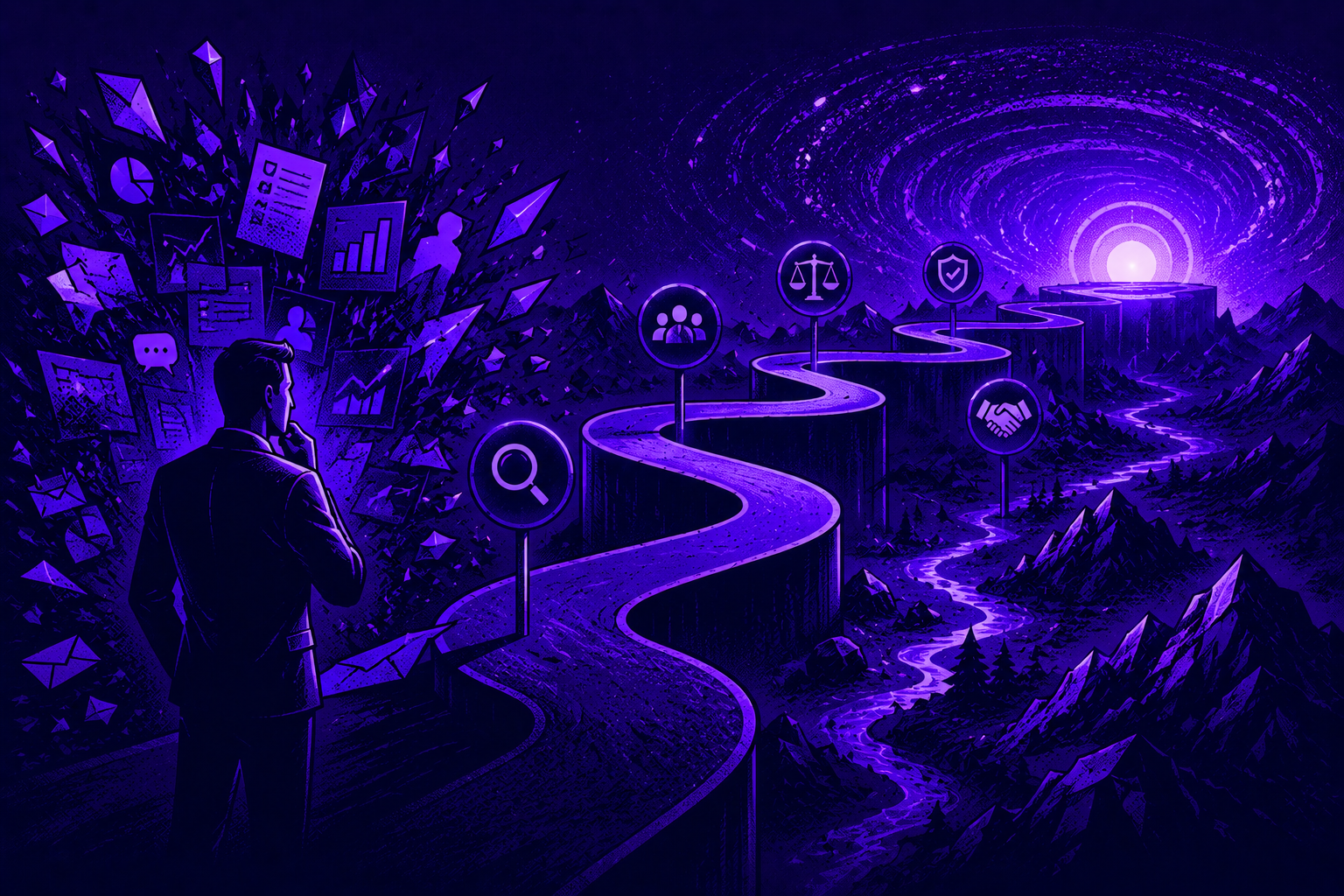
The pattern: AI does the preparation, analysis, and administration. The human does the conversation, the relationship, and the judgment.
In practice:
In each case, the AI handles what can be automated. The human handles what cannot.
The data supports this hybrid model.
According to the 2025 Sandler Sales Forecast, organizations that have integrated AI into their sales process while simultaneously investing in emotional intelligence training for their teams report 23% higher win rates than those that focus exclusively on either technology or training alone.
The same report found that buyers are 2.7x more likely to purchase from a seller who demonstrates genuine understanding of their unique context, even if that seller's product is slightly less feature-rich or more expensive. Emotional connection drives purchasing decisions more than rational comparison.
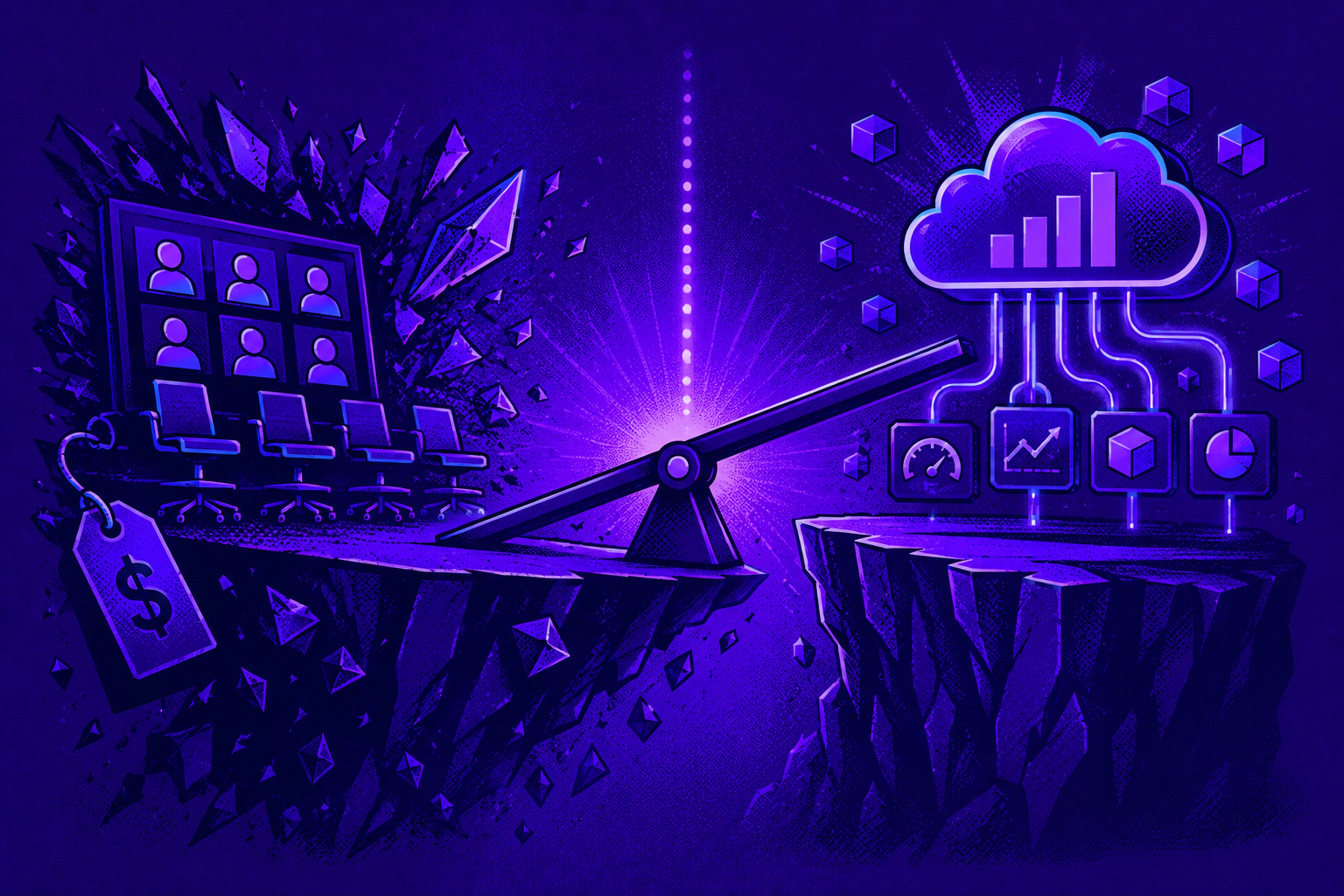
A 2026 study from the Journal of Personal Selling & Sales Management compared three sales models: AI-only, human-only, and hybrid (AI + EQ). The hybrid model outperformed both alternatives on every metric: deal size, cycle time, customer satisfaction, and rep retention. The researchers concluded that "complementarity, not substitution, is the optimal path for sales technology adoption."
If AI handles the math, sales training must shift toward the mess.
Traditional training: Product features, competitive battle cards, objection handling scripts, CRM data entry.
2026 training: Emotional intelligence, active listening, stakeholder mapping, trust-building, navigating internal politics, reading nonverbal cues, managing one's own emotions under pressure.
The most valuable skill in sales is no longer product knowledge. Product knowledge can be looked up. The most valuable skill is judgment, the ability to weigh incomplete information, sense unspoken dynamics, and choose a course of action that no algorithm would predict.
Sales training programs are scrambling to adapt. The leading programs now include:
If AI + EQ is the superpower, sales leaders must change how they manage.
Stop measuring activity. Calls made, emails sent, meetings booked—these are AI-level metrics. They tell you nothing about human effectiveness.
Start measuring connection. Post-deal surveys that ask buyers: "Did the seller understand your unique context?" "Did you trust their advice?" "Would you want to work with them again?"
Coach for judgment, not compliance. When a rep makes a decision that deviates from the playbook, investigate why. If they had a good reason, an emotional cue the playbook missed, celebrate it. If they were just guessing, coach on how to gather better information next time.
Protect time for the mess. Reps cannot build relationships if they are buried in administrative work. Use AI to clear the decks. Give them space for deep conversations, thoughtful follow-ups, and genuine connection.
AI is not coming for sales jobs. It is coming for the parts of sales jobs that were never truly human to begin with, the data entry, the pattern matching, the administrative drag. What remains is the only thing that ever mattered: human connection.
The organizations that dominate 2026 will not be those with the most advanced AI. They will be those whose sellers use AI to become more human, not less. They will master the math so they can focus on the mess.
Efficiency without empathy is just speed. Speed without direction is just chaos. But efficiency paired with genuine emotional intelligence? That is a superpower.
Is your sales team equipped for AI + EQ? Let's conduct a Sales Effectiveness Audit to assess your balance of technology and human skills. Book a complimentary Strategy Session.