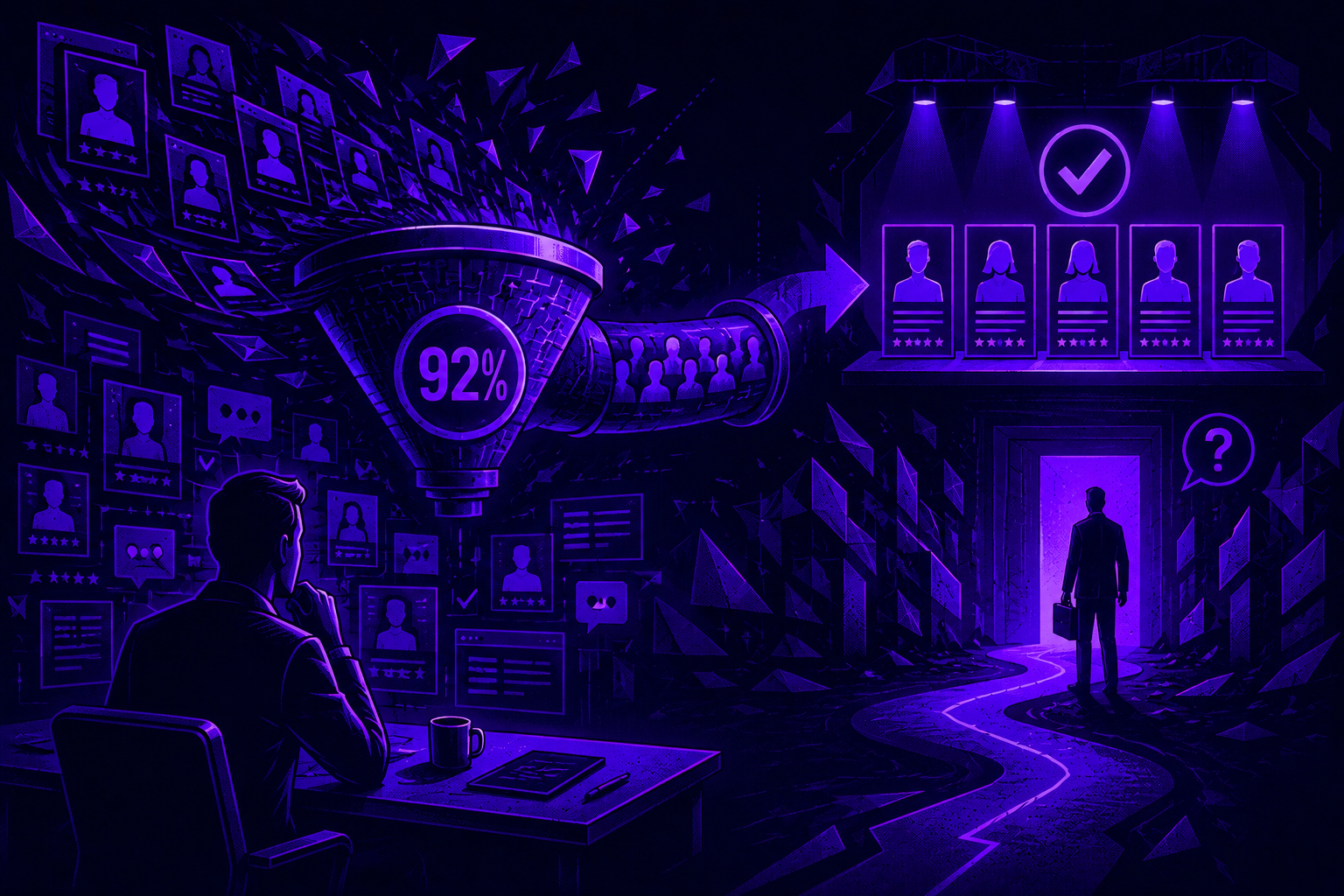
Ninety-two percent of B2B buyers build their vendor shortlists before they ever talk to sales. Wait for the form fill, and you are already late to your own deal.
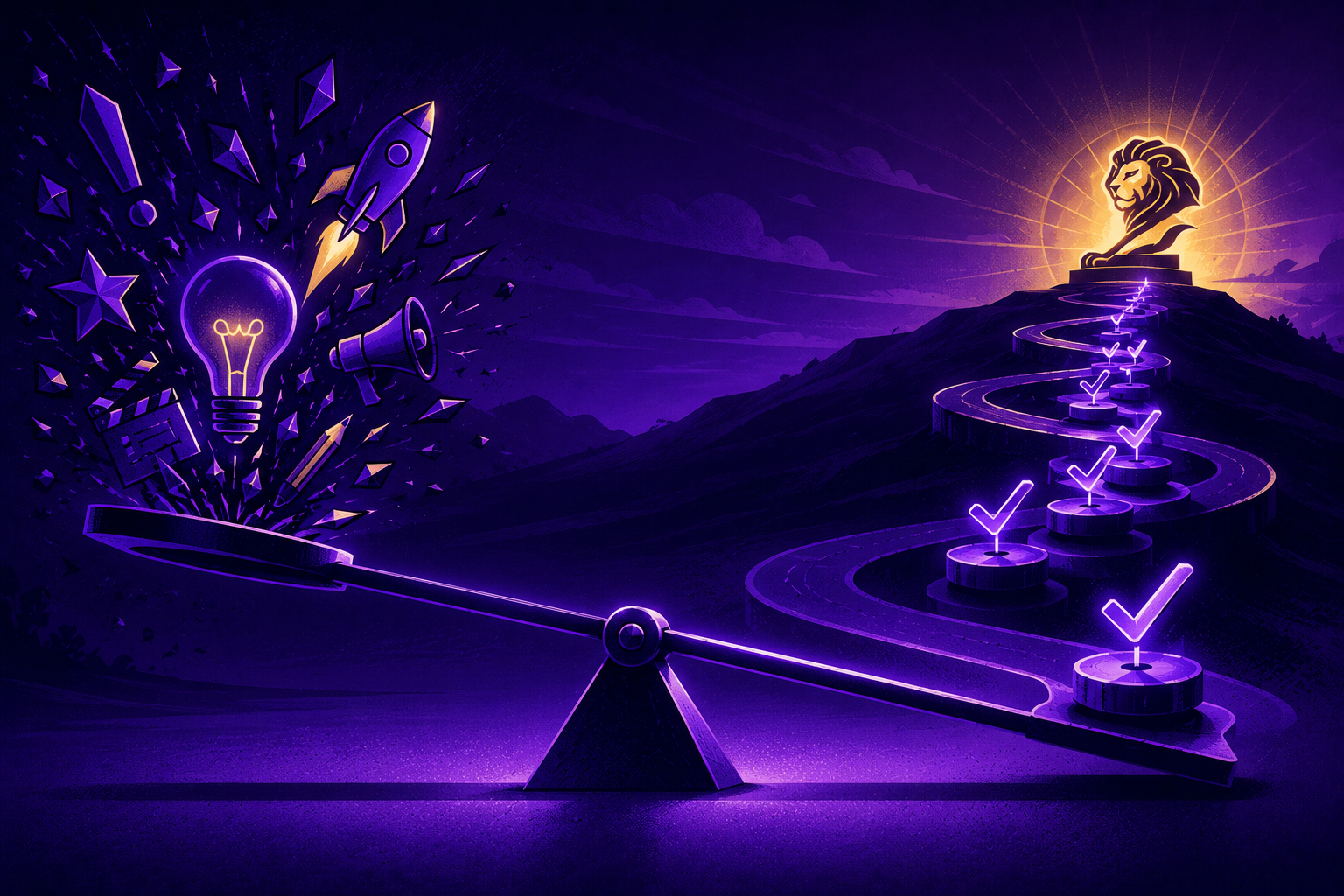
By the time many B2B buyers speak with sales, the real competition may already be over. The vendor who wins was likely already on the buyer's "Day One" shortlist.
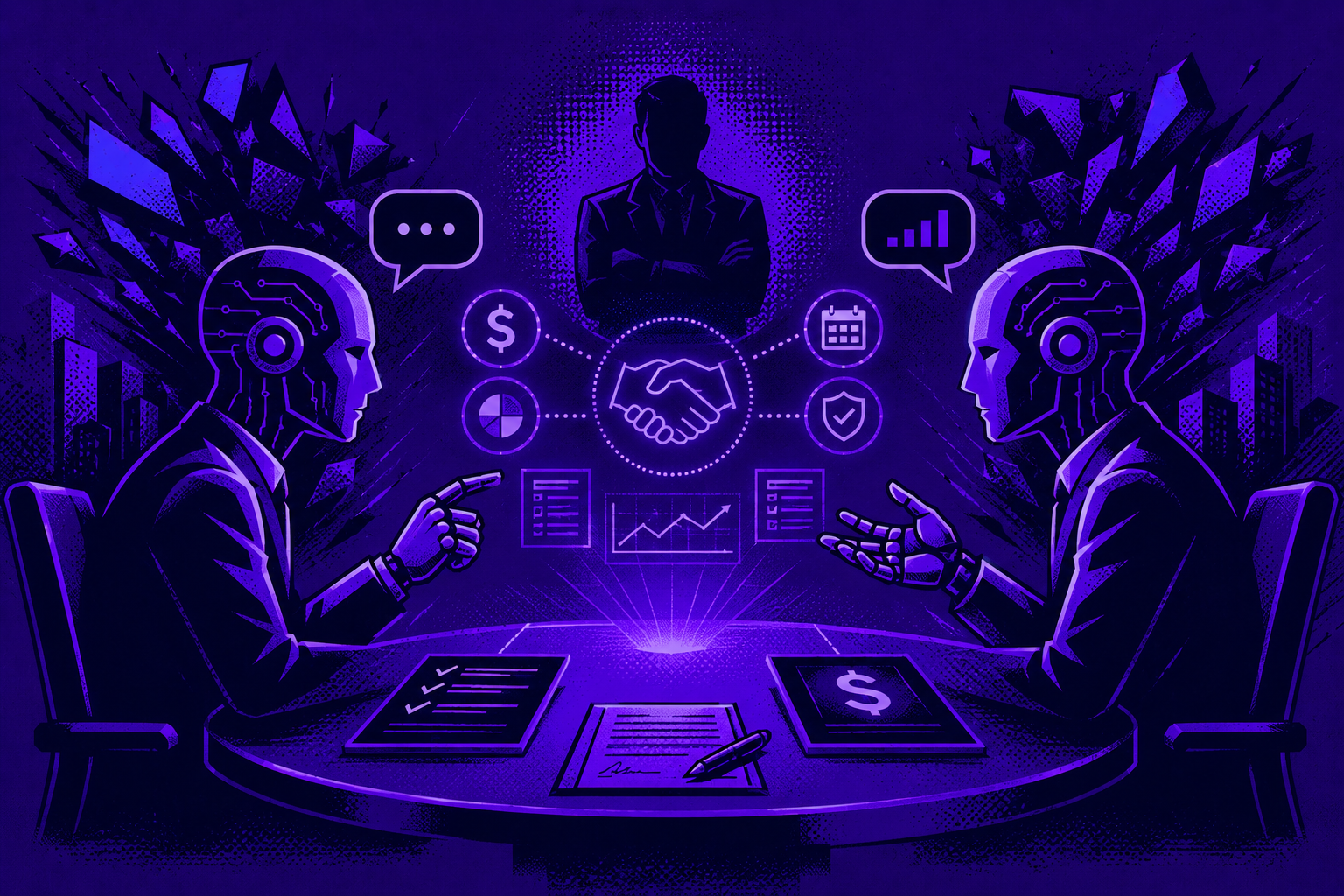
The sale now happens before any human conversation.
According to Bain and Company data cited in LinkedIn's 2026 B2B launch framework, 86% of B2B buyers begin with a day-one vendor list, a shortlist of recognized names they already trust and 81% ultimately purchase from that list. If a brand is not present on that shortlist before a buying process begins, it is effectively absent from the decision.
"Waiting until launch day to introduce your brand guarantees you launch into a void," the framework states, "because if you're not already known, you're likely not considered".
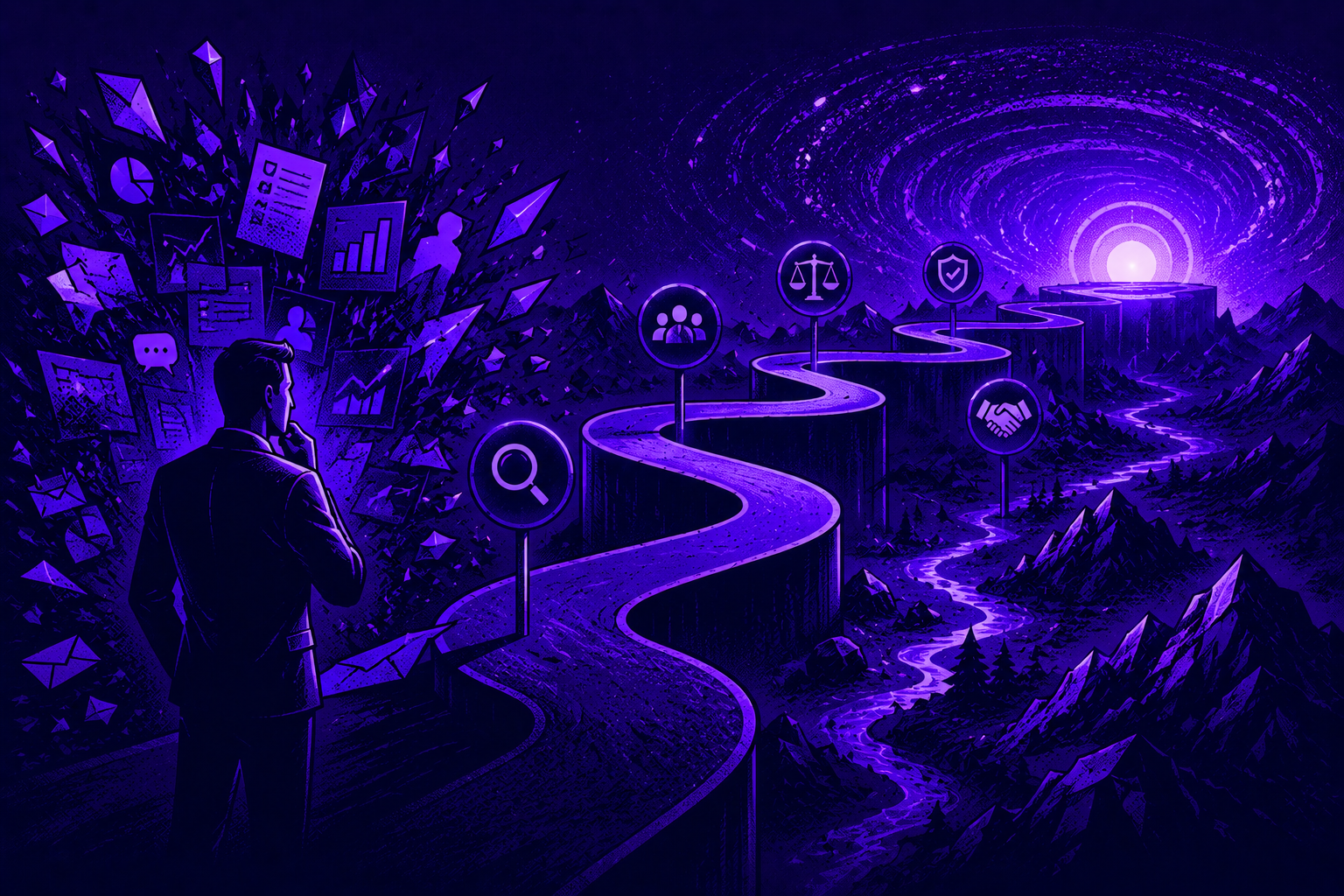
B2B buyers now conduct extensive independent research well before they ever contact a vendor. They review peer insights, explore trusted third-party content, and define their exact requirements in private channels.
The shortlist is not formed during a sales conversation. It is formed during a period of self-directed research that can last months. Buyers complete 70-80% of their research before ever talking to a rep. In fact, 83% of B2B buyers have already defined their purchase requirements before they engage with a sales representative.
The implications are stark: by the time a prospect raises their hand, they may already have a preferred vendor in mind.
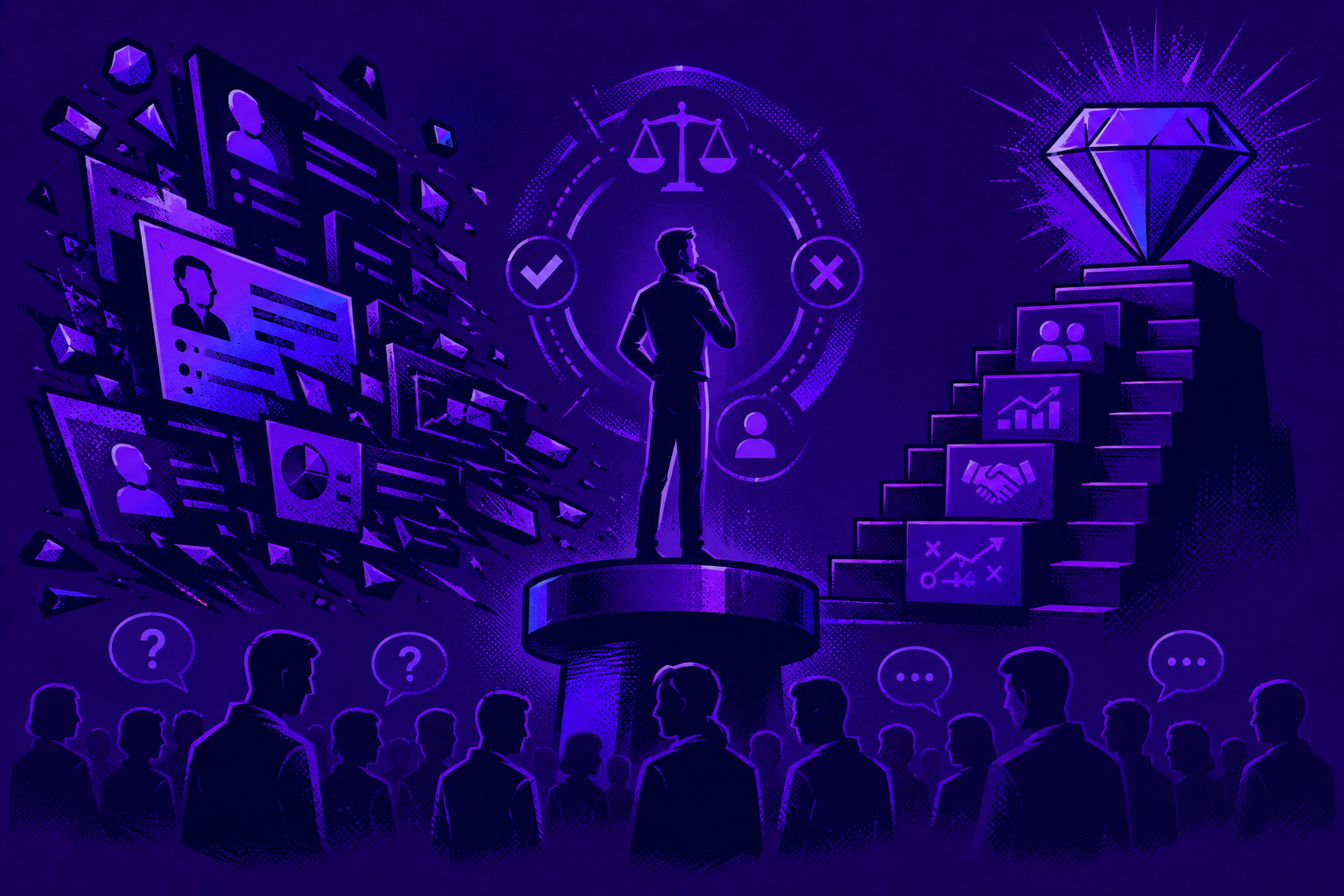
LinkedIn's framework identifies a category it calls "hidden buyers" - the legal, procurement, and finance stakeholders who influence purchasing decisions but rarely show up in marketing engagement data. Optimizing campaigns for immediate engagement means optimising for the visible portion of the buying committee while ignoring the half that controls final approval.
The practical consequence of this blind spot is significant. The decision is being made by people you cannot see, in channels you cannot track, before you even know the deal exists.
If 92% of buyers have already formed their shortlist before talking to sales, the window for influence is not the sales conversation, it is the period before.
This is where trust is built. According to LinkedIn's research, trust signals, brand familiarity, peer validation, thought leadership, accumulate over time, not in a single campaign. The brands that appear on the Day One shortlist are those that have been building recognition and credibility long before the formal buying process began.
The hardest shift to accept is that the most important part of the sale now happens before any human conversation. Your sales team is not failing to close. They are being brought in too late.
The winning strategy is not to sell harder. It is to show up earlier, in the places buyers research, in the content they consume, in the trust they build before they ever raise their hand.
Is your brand on the Day One shortlist? Book a complimentary Strategy Session.