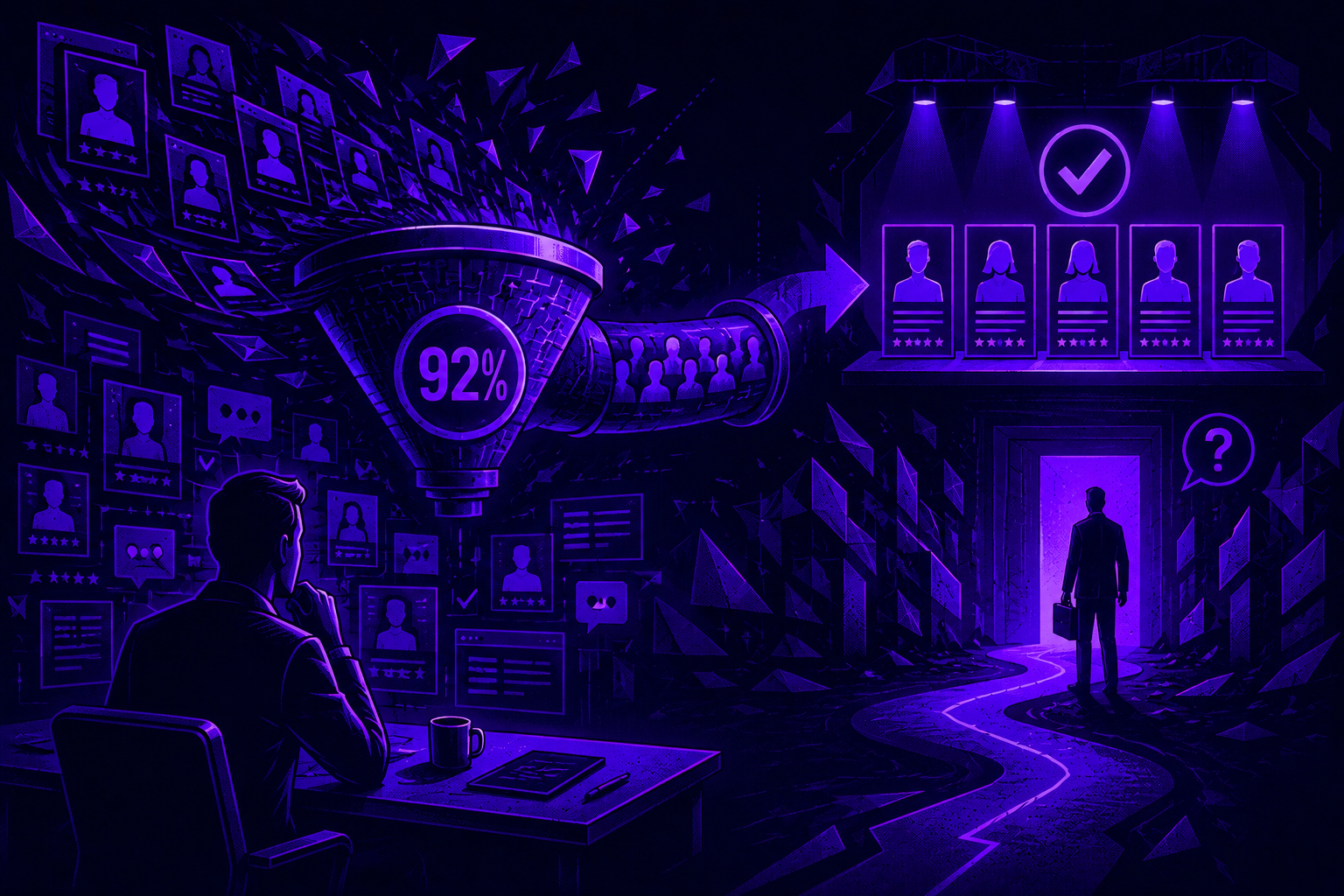
In today’s B2B landscape, marketing teams are facing a growing challenge: a significant portion of the buyer’s journey now occurs outside traditional, trackable channels. These invisible paths, known as the dark funnel, are shaping decisions long before a lead ever enters your CRM.
The dark funnel includes private Slack communities, LinkedIn DMs, podcasts, group chats, and internal discussions among buying committees. These sources don’t leave the usual digital breadcrumbs, so most attribution models never catch them. As a result, teams are flying blind when trying to understand what’s really driving the pipeline.
Traditional marketing attribution tools, relying heavily on UTM parameters, cookie tracking, or first/last-touch logic, were built for a different era. They trace leads back to website interactions, ad clicks, or form fills. But the most influential buyer touchpoints today often happen off the record.
Forrester and other leading analysts have noted that buyers spend the majority of their journey independently researching, well before reaching out to a vendor. And much of that research happens in ways that never show up in your data: listening to podcasts, talking to peers, reading untagged LinkedIn content, or hearing about your brand in a Slack community like Pavilion or RevOps Co-op.
This presents a problem. If marketing can't attribute revenue to these meaningful, early-stage interactions, it becomes harder to justify investments in content, community, and brand, the very initiatives that are moving the needle.
To close this visibility gap, a new generation of tools is emerging, leveraging principles inspired by blockchain technology to map influence across decentralized buyer interactions.
Platforms like Passthrough and Klyck.io are developing ways to:
While this approach is still evolving, it represents a significant step forward in understanding how influence spreads in the modern B2B ecosystem.
Companies like Gong, Metadata.io, and Refine Labs have embraced dark funnel thinking, using a combination of self-reported attribution, community engagement, and qualitative insights to supplement their reporting.
Self-reported attribution (asking “How did you hear about us?” in forms or post-demo surveys) has become a popular stopgap solution. It helps marketers capture the intent that traditional tracking misses, often revealing that a lead heard about the brand from a podcast, community thread, or LinkedIn post.
When you can’t see what’s working, you default to what’s measurable. This often leads to over-investment in performance channels (e.g., Google Ads or gated eBooks) and under-investment in brand-building initiatives that actually drive demand.
It’s not perfect, but it’s better than guessing.
Your data stack should serve your strategy, not sabotage it. Full Stack RevOps provides a complimentary Data Efficiency Assessment to help your organization cut through complexity and regain strategic focus.