Your revenue tech stack is out of control.
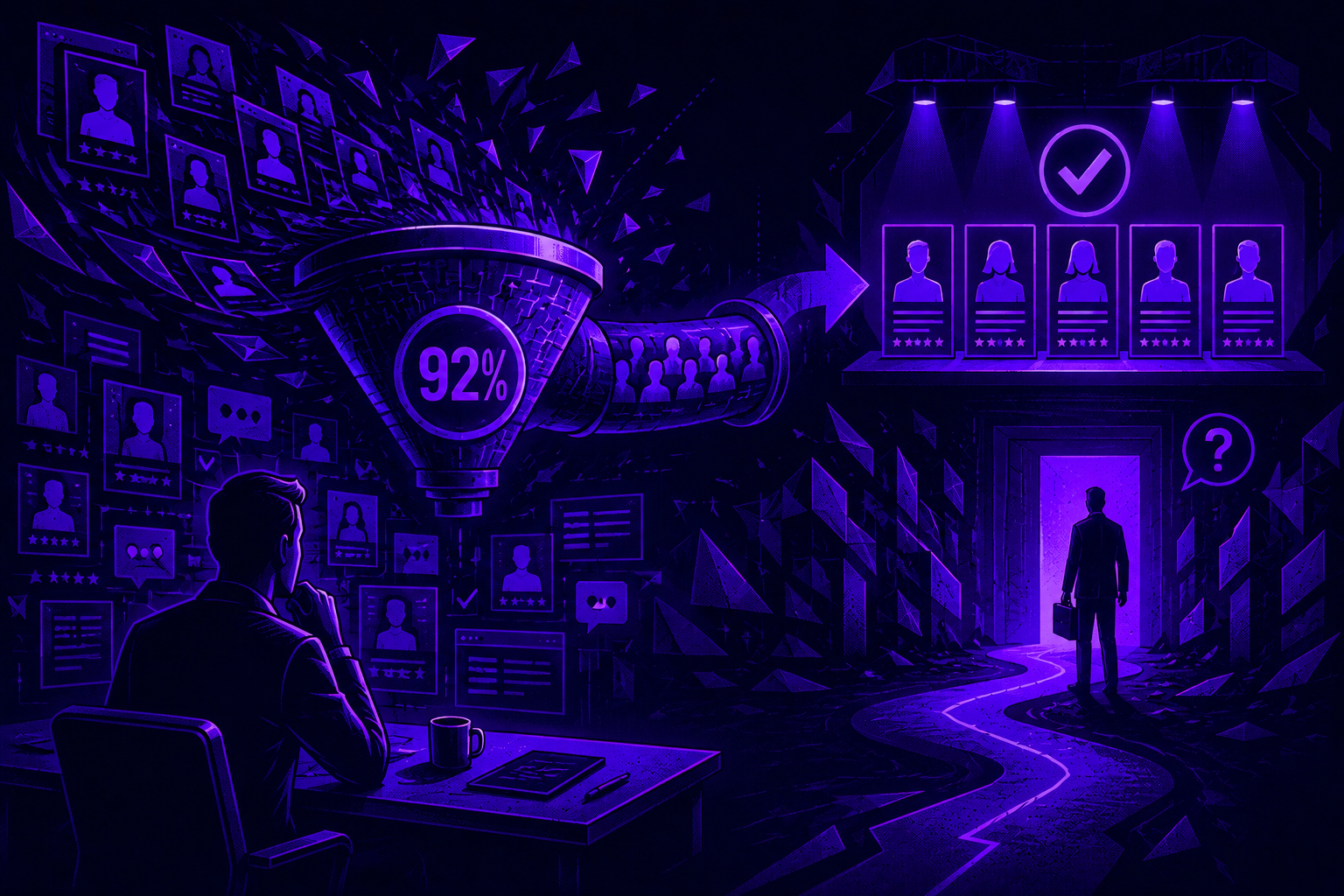
The average B2B company now uses over 100 different SaaS applications. Marketing has their tools. Sales has theirs. Customer success has a completely separate ecosystem. Finance is on an island. And somewhere in the middle, a small team of RevOps professionals is desperately trying to make them all talk to each other.
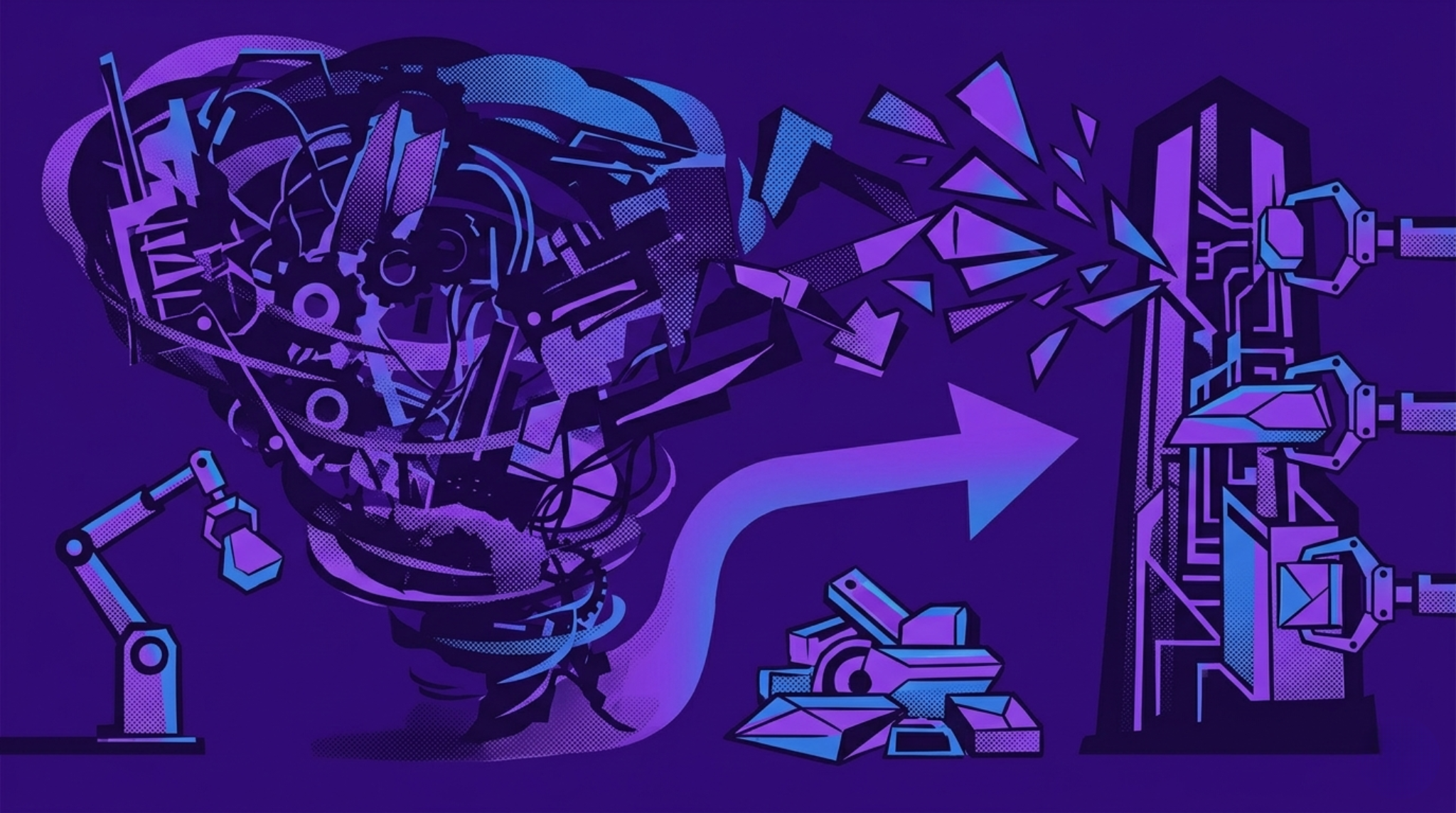
This is not a sustainable strategy. It is a technical debt bomb with a fuse measured in months.
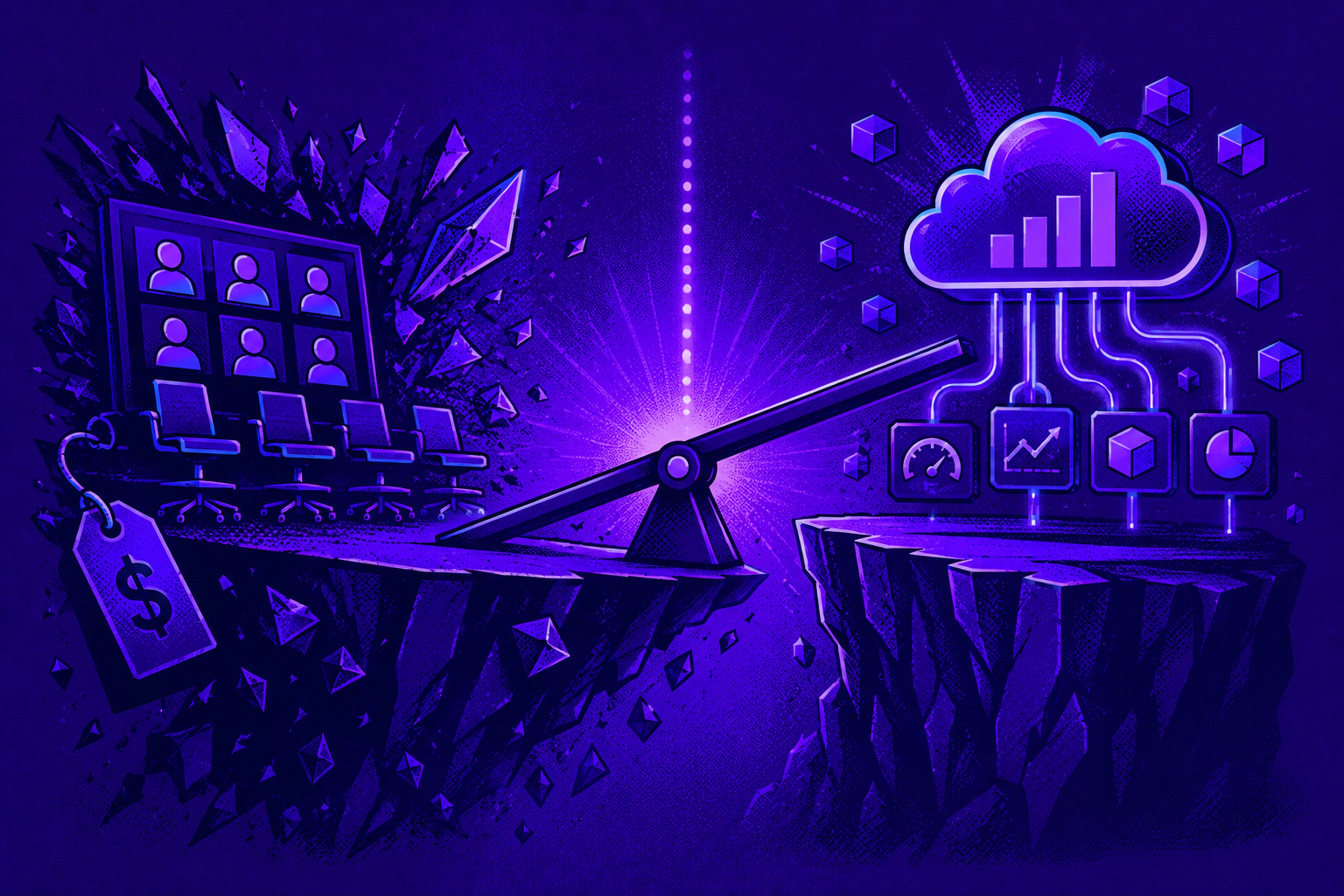
The organizations winning in 2026 are discovering a counterintuitive truth: less is more. A streamlined, intentional revenue data architecture (fewer products, better integration, AI embedded at the core) doesn't just reduce costs. It accelerates decisions, improves data quality, and creates the foundation for intelligent automation.
This is not about being anti-technology. It is about being pro-architecture.
Every new tool adds three hidden costs.
1. The Integration TaxEach additional SaaS product requires connections to your CRM, your data warehouse, and your other systems. Every integration is a point of failure, a data sync delay, and a maintenance obligation. With 100+ tools, you don't have a stack. You have a spaghetti bowl.
2. The Data Duplication TaxThe same customer record exists in your CRM, your marketing automation platform, your customer success tool, and your data warehouse. Each copy drifts. Updates are missed. By the time you run a forecast, you're reconciling multiple versions of the truth.
3. The Cognitive TaxYour sales reps toggle between seven tabs. Your marketers log into five platforms before lunch. Your RevOps team spends 60% of their time on integration maintenance and data reconciliation, not strategic analysis. Every tool adds friction. Friction kills revenue velocity.
The evidence is clear. According to the 2025 State of Revenue Operations Report, companies with more than 50 revenue-related applications report 34% lower forecast accuracy and 28% longer sales cycles than those with fewer than 20 tightly integrated tools. More is not more. More is less.
The goal is not the fewest possible tools. The goal is the right tools, deeply integrated, with AI embedded at the core.
A healthy revenue data architecture has four layers, each with a specific purpose.
Layer 1: The System of Record (Your CRM)This is your source of truth for customer data. Everything else feeds into it. Nothing meaningful lives outside it. For most B2B organizations, this is Salesforce, HubSpot, or Dynamics. Choose one. Defend it. Do not let other systems become secondary sources of truth.
Layer 2: The Integration Layer (iPaaS)This is the nervous system. An Integration Platform as a Service (iPaaS), tools like Workato, Tray, Celigo, or Zapier, connects every other tool to your CRM. It handles authentication, data transformation, error handling, and sync scheduling. It is the single place where integration logic lives.
Why iPaaS matters: Without a dedicated integration layer, you end up with point-to-point connections between every tool. Add a tenth tool, and you have nine connections to manage. Add a twentieth, and you have nineteen. This scales as O(n²), which is to say: it scales catastrophically. An iPaaS centralizes connections, reducing complexity from O(n²) to O(n).
Layer 3: The Analytical Layer (Your Data Warehouse)This is where reporting and AI training happen. Your CRM is for operations. Your warehouse (Snowflake, BigQuery, Redshift) is for analysis. Data flows from your CRM and other tools into the warehouse via your iPaaS. From there, your BI tools (Looker, Tableau, Power BI) and AI models access it.
Layer 4: The AI LayerThis is where intelligence happens. AI models for forecasting, lead scoring, churn prediction, or personalization sit on top of your warehouse and CRM. They consume clean, unified data and produce insights that flow back into your operational systems.
AI is not a separate tool you bolt on. It is a capability that must be embedded throughout your architecture.
AI at the data layer: Your warehouse becomes a feature store, a centralized repository of cleaned, labeled, transformed data ready for model training. This is where prediction models learn.
AI at the integration layer: Your iPaaS gains intelligence. It can flag anomalous data patterns, automatically route exceptions, and suggest mapping transformations based on historical patterns.
AI at the application layer: Your CRM, marketing automation, and customer success tools all have native AI capabilities. These should be enabled, configured, and governed. Don't disable them because "we have our own models."
The cardinal rule: AI models are only as good as the data they consume. If your data architecture is chaotic, your AI will be chaotic. Fix the architecture first. Then layer on intelligence.
Small and medium businesses face unique constraints: smaller budgets, leaner teams, less tolerance for complexity. The minimalist architecture is not just desirable for SMBs. It is essential.
For SMBs, the priority is consolidation:
Specific tools change. Principles endure. Adopt these principles to guide your stack decisions.
Principle 1: One Source of Truth per DomainYour CRM is the source of truth for customer data. Your ERP is the source for financial data. Your warehouse is the source for analytical data. Every other system is a satellite. When there is conflict, the source of truth wins.
Principle 2: Data Enters Once, Flows EverywhereNo manual re-entry. No CSV uploads. No "just this once" exceptions. If data must be entered, it is entered into the system of record and propagated automatically via the iPaaS.
Principle 3: Prefer Native Integrations Over CustomIf Tool A and Tool B have a native, maintained integration, use it. Custom integrations are expensive to build and expensive to maintain. Reserve custom work for connections that genuinely cannot be covered by native options.
Principle 4: Audit Quarterly, Retire RuthlesslyEvery quarter, review your tool usage. Is every license being used? Is every integration still necessary? Is there duplication? Retire what isn't earning its keep. The default answer to "should we keep this?" should be no unless proven otherwise.
Principle 5: Build for AI from Day OneEven if you aren't training models today, structure your data as if you will be. Consistent naming, clean types, documented definitions, and preserved history are not optional. They are the prerequisites for intelligence.
Your iPaaS is often the most under-leveraged tool in the stack. Treat it as strategic.
Centralize all integration logic. Every connection between every revenue tool passes through your iPaaS. This gives you a single place to monitor, debug, and govern.
Build reusable recipes. A pattern like "sync contact from marketing automation to CRM, enrich with company data, then flag for sales" should be built once and reused.
Monitor health proactively. Your iPaaS should alert you when syncs fail, when data volumes spike, or when transformation logic produces unexpected results.
Document everything. Each integration should have documented purpose, owner, data mappings, and error handling procedures. This is not bureaucracy. It is the difference between a system you can maintain and a system that maintains you.
The companies winning in 2026 do not have the most tools. They have the most intentional architecture. They have accepted that every additional product is a liability until proven otherwise. They have centralized integration, consolidated sources of truth, and embedded AI at the core.
Your revenue data architecture is not a technical detail. It is a strategic asset or a strategic liability. There is no neutral.
Stop adding tools. Start architecting.
Is your revenue data architecture a foundation or a fire hazard? Let's conduct a RevTech Stack Audit to identify duplication, integration gaps, and opportunities for consolidation. Book a complimentary Strategy Session.