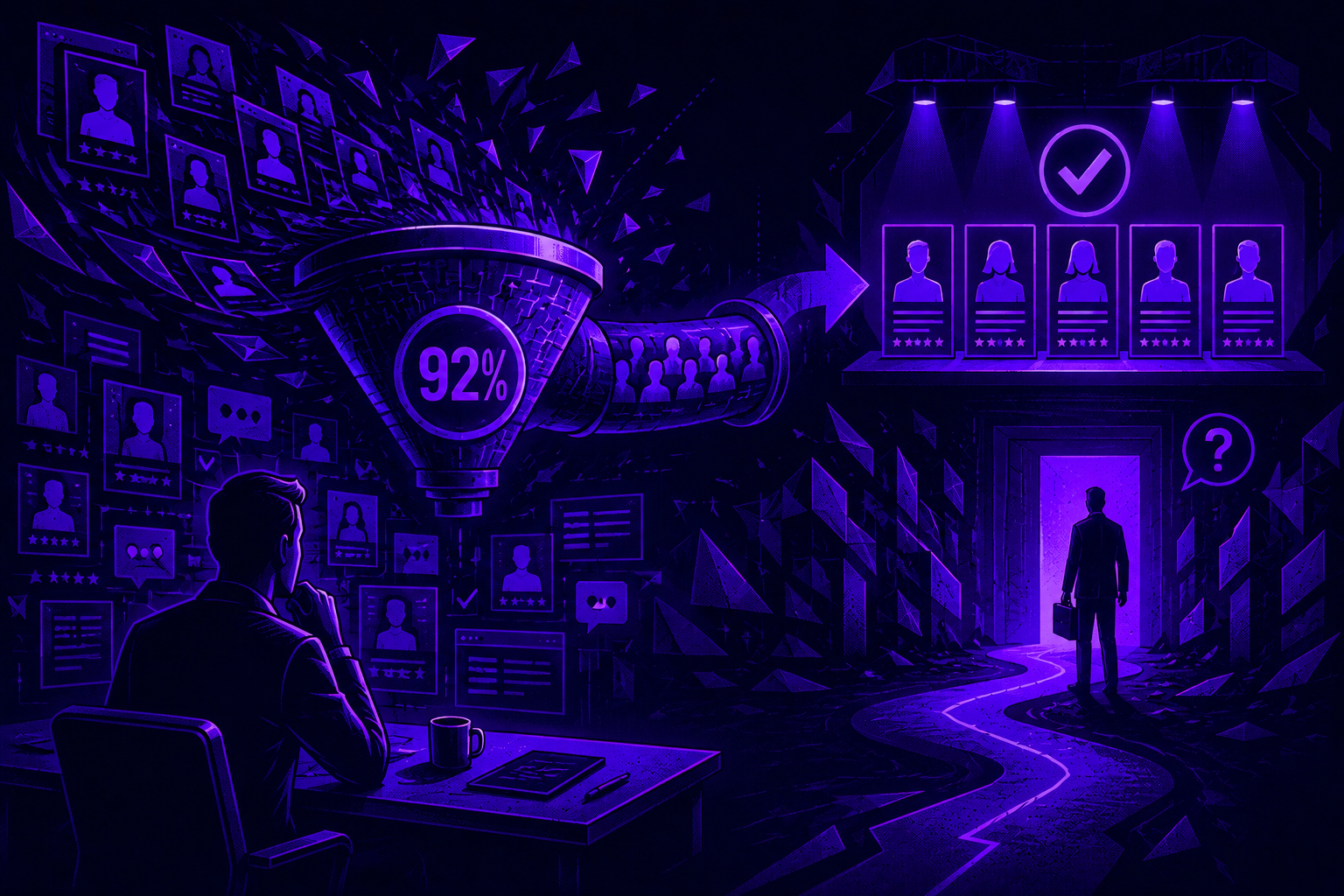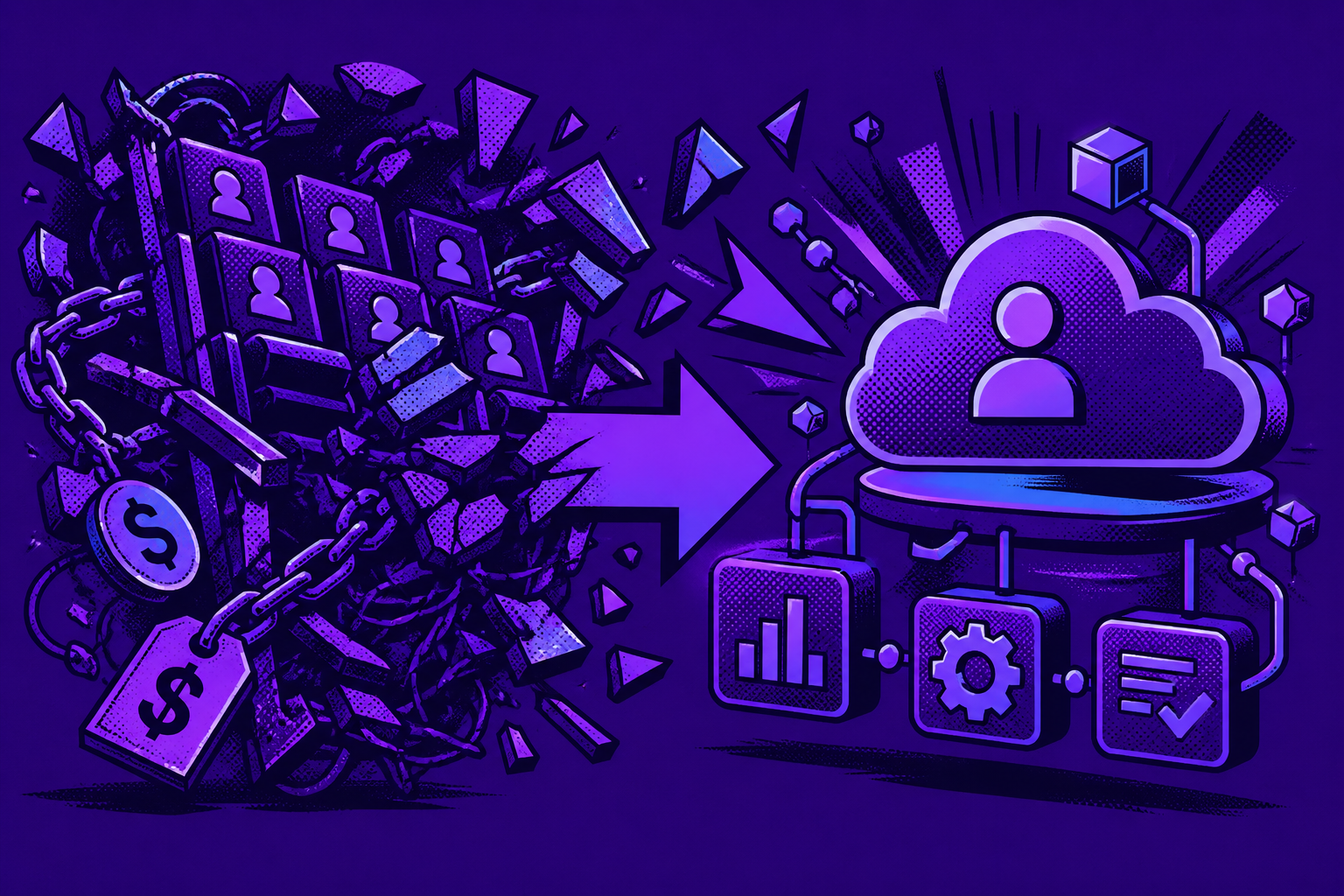
The early 2026 SaaS sell-off was swift and brutal. In the first weeks of February alone, software stocks lost more than $1 trillion in market capitalization, with the iShares Expanded Tech-Software ETF (IGV) falling over 21% year-to-date by mid-February. Salesforce, ServiceNow, and Adobe all took significant hits. The trigger? Growing investor conviction that agentic AI, platforms capable of reading files, organizing folders, drafting documents, and handling large chunks of knowledge work - would make traditional seat-based subscriptions obsolete. Traders called it the "SaaSpocalypse." By the end of March, the median enterprise-value-to-revenue multiple for SaaS companies had fallen to 3.3x, down from 6.2x at the end of 2024.
Wall Street panicked because investors finally believed that agentic AI would make traditional seat-based subscriptions obsolete. But the ground truth is more nuanced. The seat-based model is not dead. But it is structurally broken for a growing set of use cases. Understanding where, why, and how to adapt is the critical RevOps task of 2026.
Seat-based pricing worked because it aligned software revenue with organizational growth. Every new employee required a CRM seat, an HRIS seat, a collaboration tool seat. The model was predictable, easy to forecast, and scaled naturally with customer headcount. The underlying assumption - that software value increases with the number of human users - was the foundation of the SaaS era.
That assumption is now cracking.
Agentic AI does not log in. It does not require a named user license. It can perform work that previously required multiple human employees. The impact on traditional sales workflows is already measurable: one documented B2B SaaS deployment cut lead response time from 47 hours to 9 minutes after deploying a qualification agent, while qualified lead volume increased by 215%. The simple formula of "more employees = more seats = more revenue" no longer holds. Companies that once needed large SDR teams to handle prospecting and qualification are discovering that AI agents can cover the same volume at a fraction of the cost. Value is now delivered by compute cycles, automated workflows, and completed outcomes - not by named users.
The valuation panic assumed mass employee displacement. Forrester's January 2026 AI Job Impact Forecast tells a more measured story: AI could account for 6% of total US job losses by 2030, equating to roughly 10.4 million roles. Critically, Forrester also forecasts that AI will augment 20% of jobs over the next five years - enhancing rather than eliminating roles. More than half of layoffs currently attributed to AI will be quietly reversed as companies realize the operational challenge of prematurely replacing human talent.
The implication for pricing strategy is precise. High-volume, low-complexity tasks - basic document generation, data extraction, simple customer queries - will be fully automated and will drive seat reductions. High-risk, multi-stakeholder, judgment-heavy processes - complex procurement, strategic negotiation, sensitive customer escalations - will remain human-led for the foreseeable future. Vendors who recognize this distinction can segment their pricing: consumption models for automated "digital labor," seat-based or value-based models for work that still requires human discretion.
With the seat-based model under pressure, SaaS providers are rushing to adopt hybrid structures.
Credit-based consumption models, Salesforce Flex Credits, Microsoft Copilot Credits, HubSpot's credit systems, allow customers to pay for AI usage through flexible pools of units, decoupling cost from named users. This aligns expense with actual compute consumption but introduces new risks around budget predictability and usage metering.
Outcome or resolution pricing, pioneered by Zendesk and Intercom for their AI agents, charges per successful resolution. This offers perfect value alignment for the buyer but places all consumption risk on the vendor and requires sophisticated attribution systems.
Hybrid base-plus-consumption models retain a reduced seat fee to provide predictable revenue while covering variable AI workload through a separate usage metric. This gives customers predictable baselines while capturing upside when automation is heavily utilized.
Vendors are attempting to shift almost all risk to their enterprise customers, transferring the cost volatility of AI compute while monetizing customer-side productivity gains as margin. In many cases, usage units are metered without transparency or predefined ceilings. CIOs are discovering that they inadvertently exceed volume thresholds and owe vendors significant sums that could have been avoided. Without proper contractual protections, the consumption model becomes a trap.
Revenue operations teams must embed strategic optionality into vendor negotiations. The core principle: avoid lock-in until AI usage patterns are stable.
Practical tactics:
CIOs surveyed in late 2025 flagged that contracts frequently failed to define what constitutes a "conversation" or how usage would be counted for their specific use cases. The resulting bill shocks can be avoided by building these definitions into the contract before agreeing to any consumption-based pricing.
Perhaps the most important principle for 2026 is decoupling pricing from named user identities. AI agents do not have personhood, but they still consume software value. The most forward-looking vendors are already implementing usage pools that aggregate consumption across both human users and autonomous agents under a single metering scheme. This allows organizations to benefit from automation without re-architecting their entire licensing model.
From a RevOps perspective, this means abandoning the simple "number of paid users" metric and implementing systems that track activity units, API calls, compute time, workflow completions, and allocate them to teams or cost centers. The operational complexity is real, but it is the only path to a pricing model that reflects how value is actually delivered in the agentic era.
The seat-based SaaS model is not dead overnight. But it is structurally broken for any use case involving high-volume, low-complexity automation. For those workflows, AI agents will drive sustained seat compression, and vendors will pivot to consumption - or outcome-based metrics. For high-risk, judgment-intensive processes, human-augmented work will remain the norm for at least three to five years, and hybrid pricing models will become the standard.
The responsible RevOps strategy in 2026 is to audit your vendor portfolio for workflow-by-workflow automation potential, request usage-based contract options in all new negotiations even if you do not take them immediately, and define metering terms explicitly before signing any consumption-based agreement.
The SaaSpocalypse was a market overreaction. But the structural shift it signalled is real and irreversible. The question is no longer whether seat-based pricing will change, but whether your procurement and RevOps teams are ready for the new world of agentic licensing.
Is your data infrastructure built to survive seat compression? As your SaaS stack consolidates around AI, the tools that stay need to actually work. Book a complimentary Strategy Session to assess where your stack stands and what's worth keeping.