At a holiday gathering in San Francisco not long ago, partygoers sipped Celsius and kept sneaking glances at their cracked‑open laptops with a mix of pride and fear. They were watching fleets of AI assistants check emails, manage calendars and write code, while the humans themselves simply played. This is no longer a quirky weekend experiment. It is the defining pattern of software creation in 2026.
Silicon Valley has found its new obsession: non‑engineers building real, working applications using nothing more than conversational English. Armed with tools such as ChatGPT, Cursor, Claude Code and Replit, accountants, doctors, operations managers and high‑school students are shipping software that previously required dedicated engineering teams. The coding challenge that once demanded years of training has been reduced to a series of prompts.
This is the rise of the citizen builder, and it permanently changes the rules of competition. Your moat can no longer be the simple ability to ship software. Because tomorrow, anyone can.
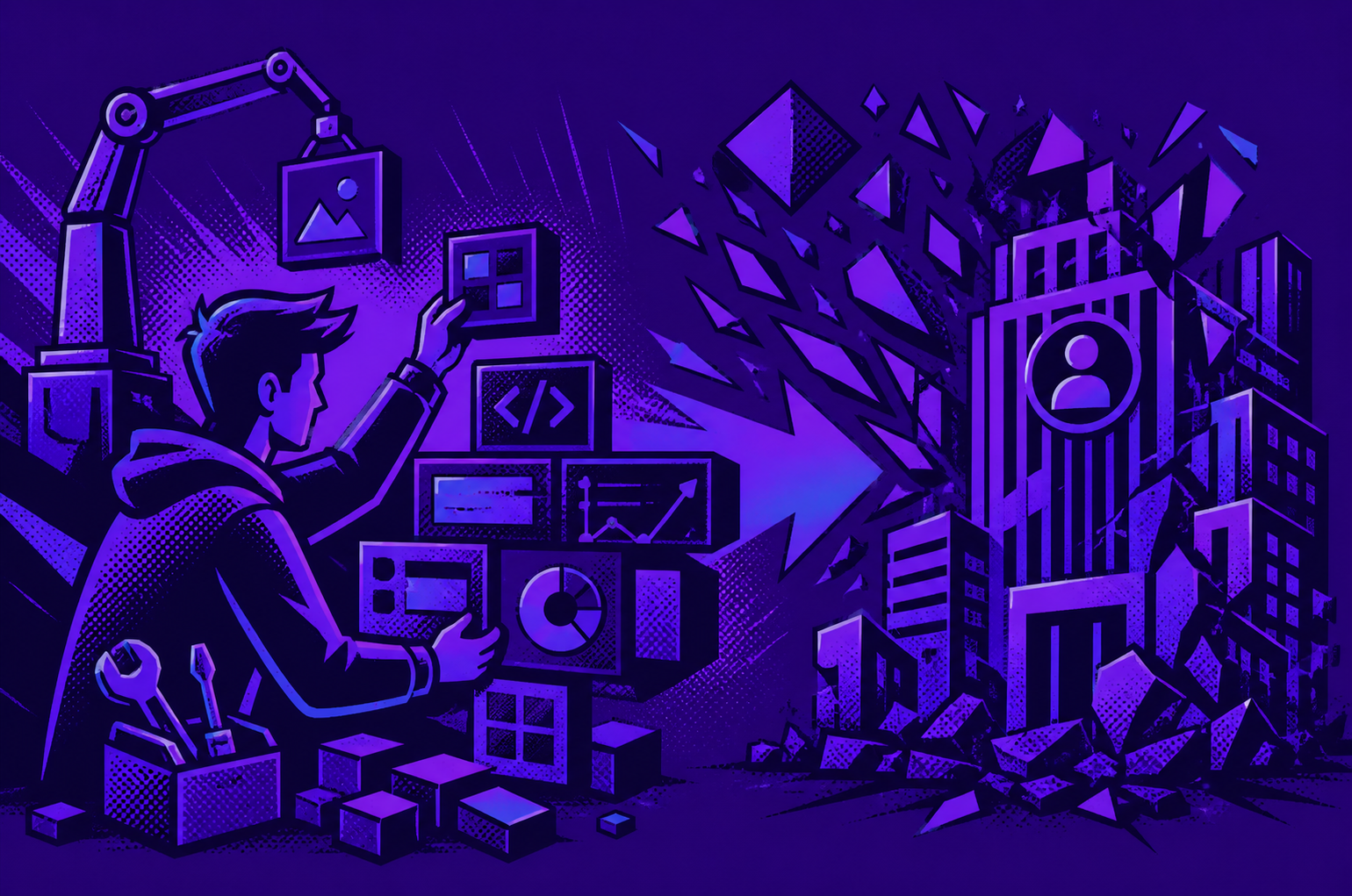
Software development has been decentralised. What once required specialised engineering skills can now be accomplished through a natural language interface or an AI‑generated workflow.The barrier to entry has shifted from knowing how to code to understanding the problem itself.
Aleks Bass, chief product and technology officer at Typeform, describes it succinctly: “GenAI has lowered the fluency bar from ‘can you code’ to ‘can you reason about the problem’.”Matt Kunkel, CEO of LogicGate, underlines how broad this shift has become: “The prevalence of AI means any employee can be a ‘typical citizen developer’.”
The numbers tell the same story. Gartner estimates that demand for citizen‑built apps is growing five times faster than traditional IT can supply and projects that more than 70% of new business applications will be built on citizen development platforms by the end of 2026.Gartner also predicted that citizen developers would outnumber professional developers by a ratio of 4:1 in 2026, a forecast that is now playing out in real time.
The technical term for this new way of building is “vibe coding”. Coined by OpenAI co‑founder Andrej Karpathy in early 2025, the idea is elegantly simple: describe what you want in plain English, and AI does the rest.Tools such as Replit now allow users to “build anything: create web apps, mobile apps, data dashboards, AI‑powered tools, and more” with no coding required, sometimes using a simple “Design Canvas” to explore mockups before committing to a project.
GlobalData predicts that in 2026, “the industry will gain greater access to mainstream quick‑start app development functionalities as part of their business tools”.Charlotte Dunlap, research director at GlobalData, notes that “new vibe coding features will present users with more specific and timely apps that improve their day‑to‑day lives and work productivity”.Examples of the kinds of applications being built range from business and productivity tools to educational aids, using popular platforms such as ChatGPT, Claude, Lovable, Bolt, Cursor, Windsurf and Zapier Agents.
Large technology companies have fully embraced the trend. AI now writes as much as 30% of Microsoft’s code and more than a quarter of Google’s, while Mark Zuckerberg aspires to have most of Meta’s code written by AI agents in the near future.
For organisations, the rise of citizen builders creates unprecedented opportunities; but it also introduces significant risks if left ungoverned.
Accelerated innovation. A sales operations manager in Pune once spent four hours every Monday manually copying data between spreadsheets. After submitting an IT request that sat untouched for two years, she discovered Microsoft Power Automate and built a fully automated weekly reporting workflow in a weekend. She had never written a single line of code.
User‑driven problem solving. Employees who know the business problems intimately are now building the tools they need. Companies such as ConocoPhillips and Finland’s OP Financial Group have seen employees create thousands of automations, saving thousands of employee‑hours.
Dramatically lower cost rails. The no‑code AI platform market is projected to grow from 4.9billionin2024to4.9billionin2024to24.8 billion by 2029, a 38.2% annual growth rate.Some platforms now offer unlimited app generation for as little as $6 per month, and there have been cases where a non‑technical user built a contract analysis tool in an afternoon that previously would have required a dedicated engineering team.
Yet with opportunity comes danger. The vast majority of this citizen‑built software is being created outside the view of IT and security teams.
The two words heard most at RSA Conference 2026, the world’s biggest cybersecurity gathering, were Shadow AI followed closely by “agentic AI governance”.Proofpoint’s Molly McLain Sterling described her walk of the show floor in two words: “Agentic everything.”
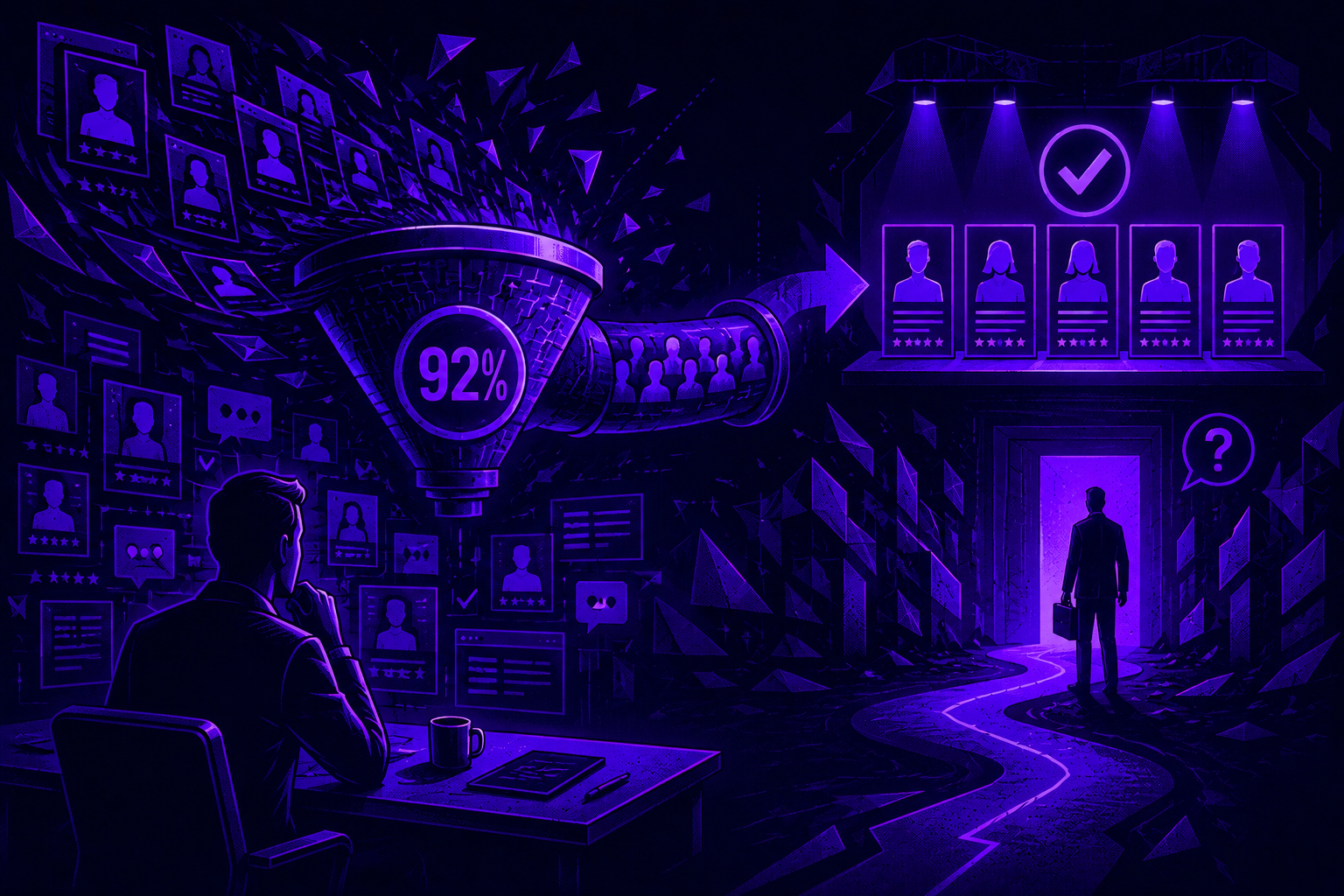
Vanta’s Khush Kashyap warned that “shadow AI is exponentially bigger than shadow IT ever was”.The difference is speed: an employee can spin up an AI agent, connect it to company data, and have it making decisions in minutes. By the time a security team learns of its existence, the agent may already have taken thousands of actions.
The scale is staggering. According to one recent report, more than 3 million AI agents are now operating within enterprises, yet only 47.1% of them are actively monitored or secured.Gartner projects that 40% of enterprise applications will embed AI agents by the end of 2026, up from under 5% in 2025.The enterprises that can deploy agents safely will move faster than those still dealing with incidents, regulatory investigations and emergency remediation.
Leaders cannot solve this problem by banning or blocking citizen development. The pressure from the business is irresistible, and employees will find ways to build whether IT approves or not. The answer is a controlled, governed release valve.
Provide approved building tools. Instead of forcing employees to use unvetted external tools, enterprises should offer approved low‑code and AI‑assisted platforms such as Microsoft Power Platform, ServiceNow or Salesforce Flow, which now include built‑in governance features.
Build a secure GenAI API gateway. Leading organisations are providing internal chat APIs that allow employees to integrate AI reasoning directly into their scripts and low‑code apps, while enforcing token management, PII redaction, audit logging and output sanitisation.A gateway can also ground responses by searching internal intranets before answering, reducing hallucinations.
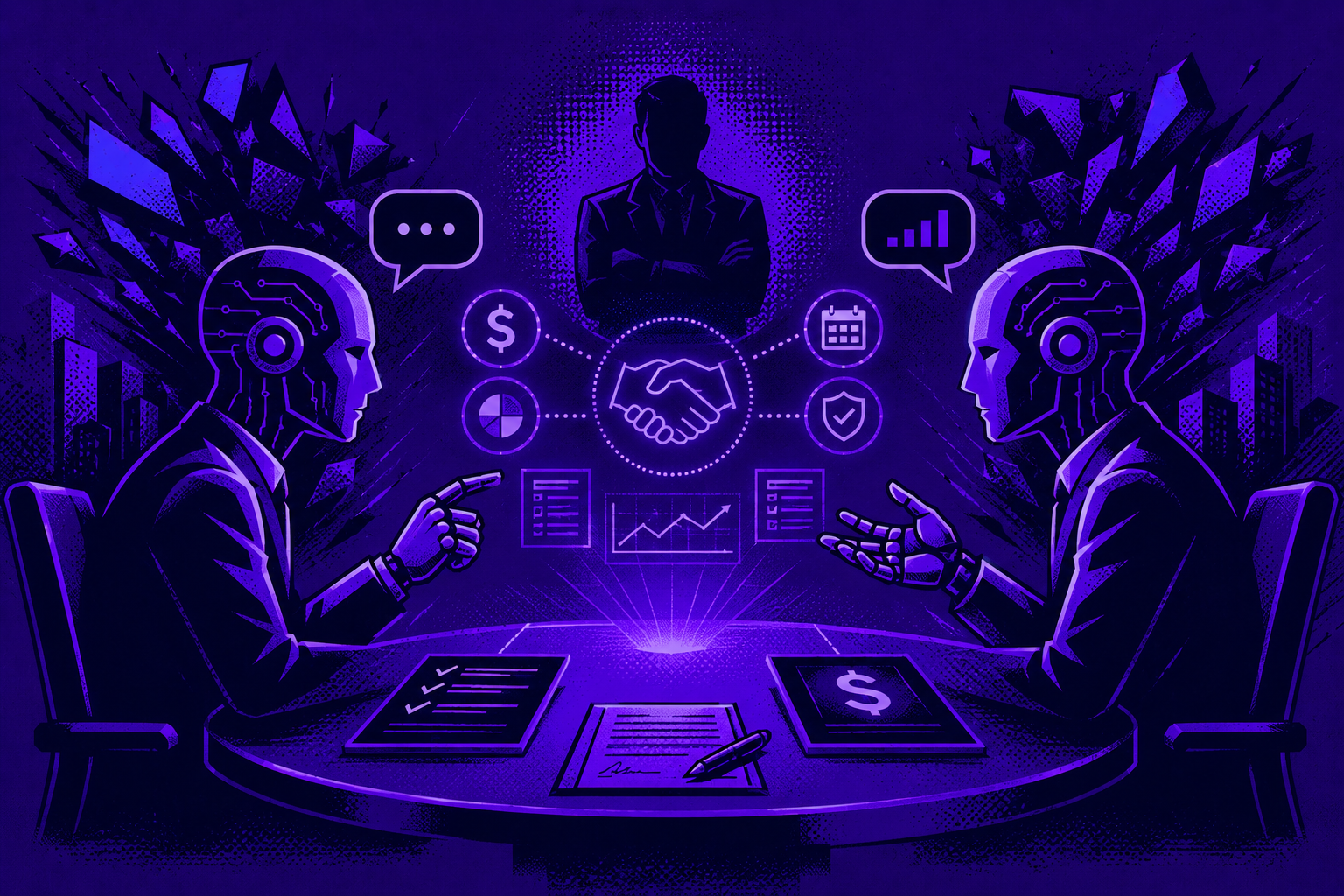
Enforce a human‑in‑the‑loop for agentic actions. Emerging platforms such as CoChat, launched in April 2026, provide a control layer between the LLM and the agent, examining the LLM’s reasoning before an instruction is executed. If a proposed action is dangerous (for example, exposing sensitive data to third parties), the platform will pause the autonomy and require explicit user approval.
Design data access first. When building internal tools, expose only sanitised views or tables to citizen developers and enforce single‑sign‑on and role‑based access controls, so teams can build without ever touching sensitive underlying datasets.
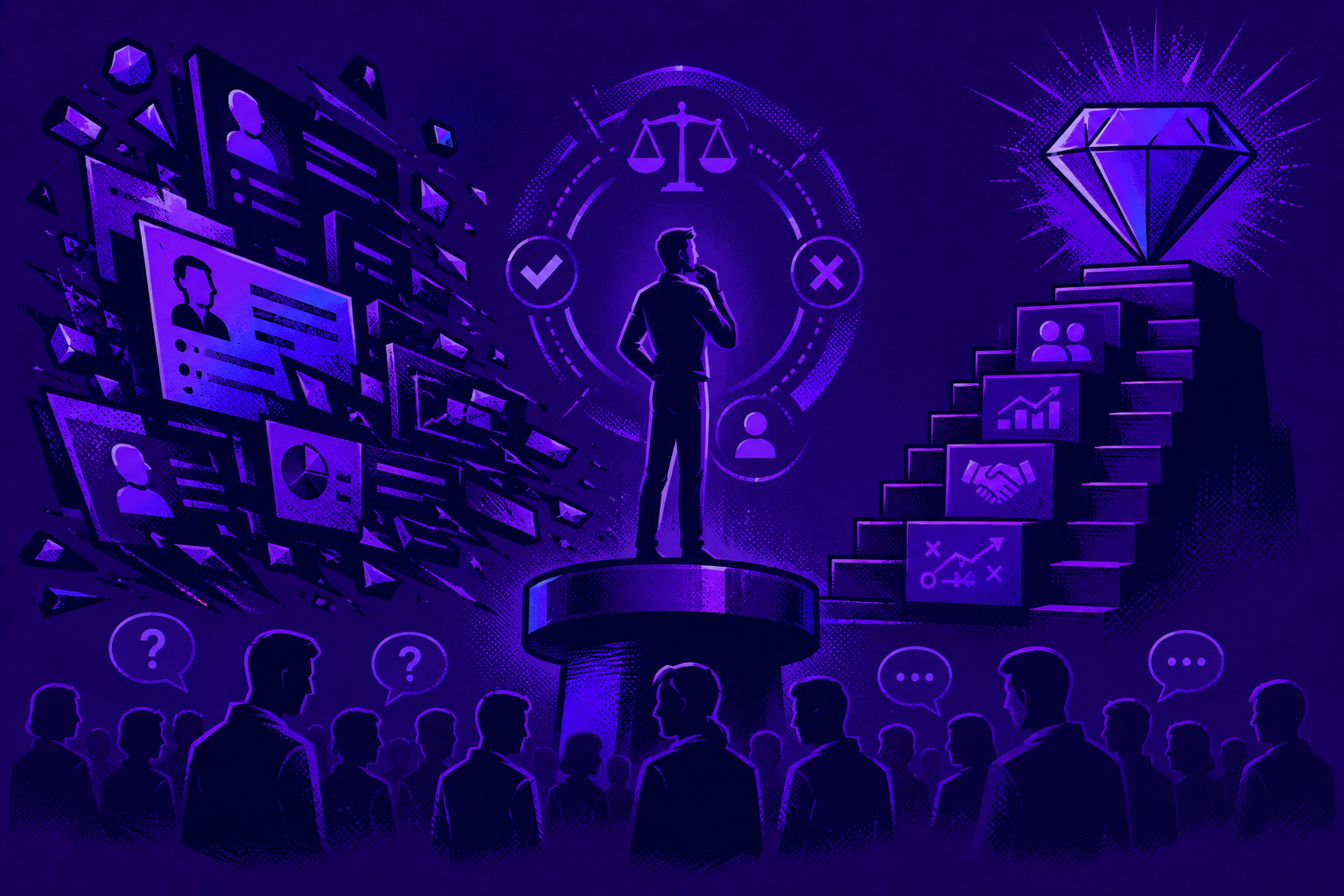
If software is now universally accessible, what remains of your competitive advantage?
The simple answer is that software features are no longer a moat. AI makes building easy, but defending is harder than ever.A startup that once took two years to assemble core functionality can now see that same feature set replicated in weeks, sometimes days.In the AI era, even established software companies may face shorter periods of sustained competitive advantage.
True defensibility now comes from what cannot be easily replicated:
Step 1: Audit your current shadow AI exposure.
Inventory which citizen‑built applications and AI agents are already operating in your organisation. Most teams will be surprised by the scale.
Step 2: Build a safe, governed building environment.
Provide approved low‑code platforms, internal AI APIs and clear documentation on what is allowed. Publish “prompt recipe” libraries that show employees how to build common tools safely.
Step 3: Separate building contexts for quality.
In a vibe‑coding workflow, use one agent/chat to implement features and a fresh agent/chat to critique, add tests and set up linting or type checks. This gives the builder an independent review loop.
Step 4: Train for judgment, not just tools.
The scarce skill in 2026 is no longer the ability to write code. It is the ability to ask the right questions, recognise when AI output is dangerous, and make trade‑offs that matter. Equip your teams for that.
The rise of the citizen builder is not a future prediction. It is the present reality. Software creation is becoming a distributed capability throughout the enterprise, driven by employees who understand their business problems better than anyone else.
This shift challenges every assumption about competition. If anyone can build a product, what exactly is your moat? The answer increasingly lies not in your ability to ship code, but in your data, your workflows, your customer relationships and your governance discipline. Features will be commoditised. Trust and integration will not.
The organisations that thrive in this new environment will not be those that try to block citizen development. They will be those that embrace it with clear guardrails, turning every employee into a potential builder while ensuring that what they build is visible, secure and aligned with strategic objectives.
The question is no longer whether your next competitor is a company. It is whether you are ready to compete with anyone who can think clearly and describe what they want.
Is your organisation ready for the citizen builder revolution? Let's conduct a Shadow AI Governance Audit to map your risk exposure, implement safe building environments, and turn your employees into governed, strategic developers. Book a complimentary Strategy Session.