RevOps has always been about crunching the numbers—pipeline stats, conversion rates, and revenue forecasts. But behind every number is a human being. And humans? We’re emotional creatures. We’re messy. We’re unpredictable.
It’s no longer just about what your customers are saying—it’s about how they’re feeling.
When you tap into those emotions, you’re not just making decisions, you’re making smarter, more impactful decisions that build stronger relationships and drive revenue like never before.
Think of sentiment analysis as AI’s way of reading the room. It’s like having a radar that picks up on the vibes—whether it’s excitement, frustration, or just plain indifference. This superpower lets you spot the emotional undertones in customer emails, support tickets, or even sales calls.
It’s not just about recognizing those feelings. It’s about using that knowledge to do something about it.
Here’s how sentiment analysis it’s taking your RevOps game to the next level:
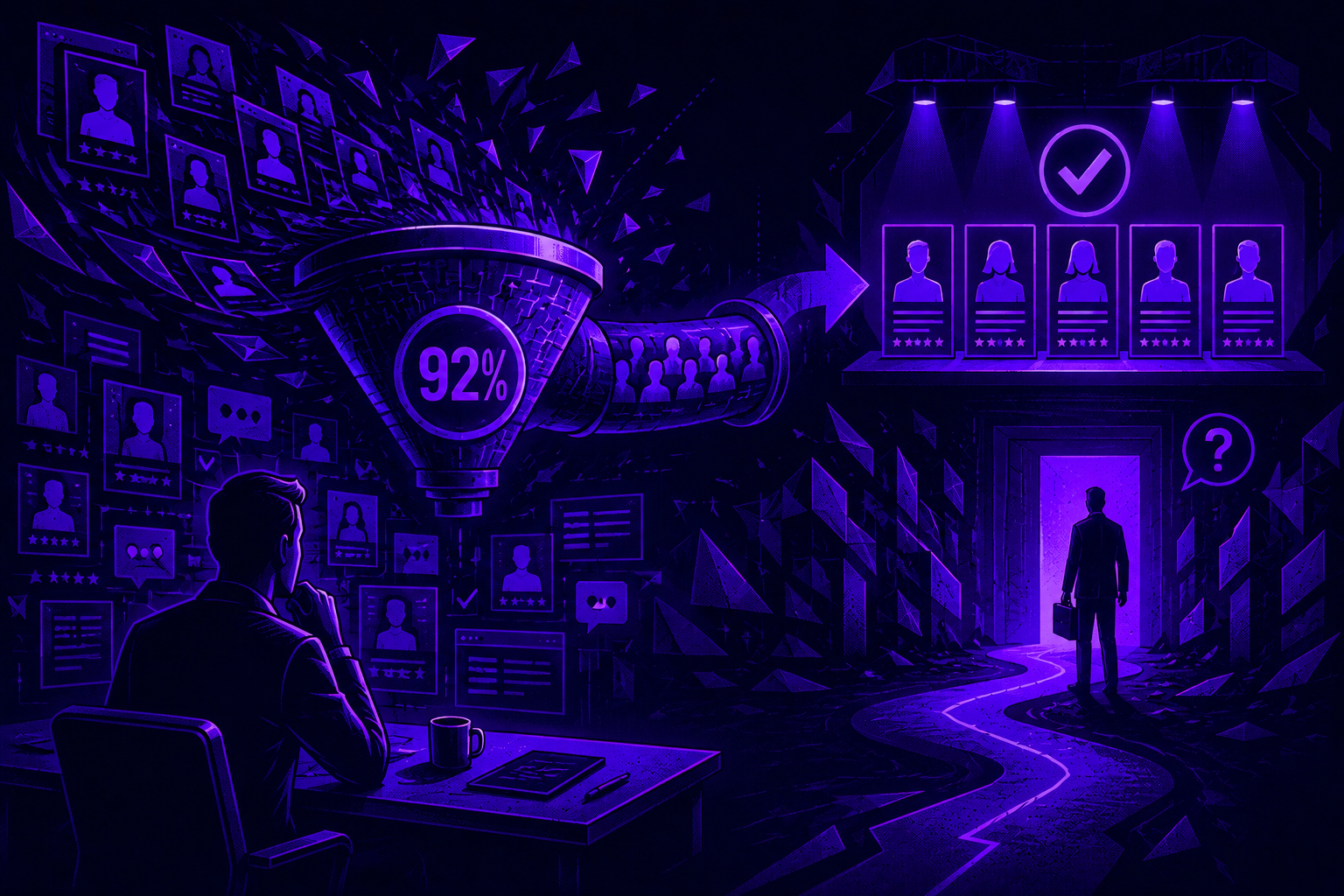
- Predicting Churn Before It Hits: Imagine knowing your customer is about to jump ship before they even think about cancelling. Sentiment analysis can flag negative vibes in support tickets or emails, giving your team the heads-up they need to step in and save the relationship. It’s like having a crystal ball, but better.
- Turning Sales Conversations into Wins: Sales reps can use sentiment analysis to gauge a prospect’s mood on the fly. Are they hyped? Skeptical? Bored out of their minds? Real-time insights let you tweak your pitch mid-conversation and transform a ‘meh’ chat into a deal-closing win.
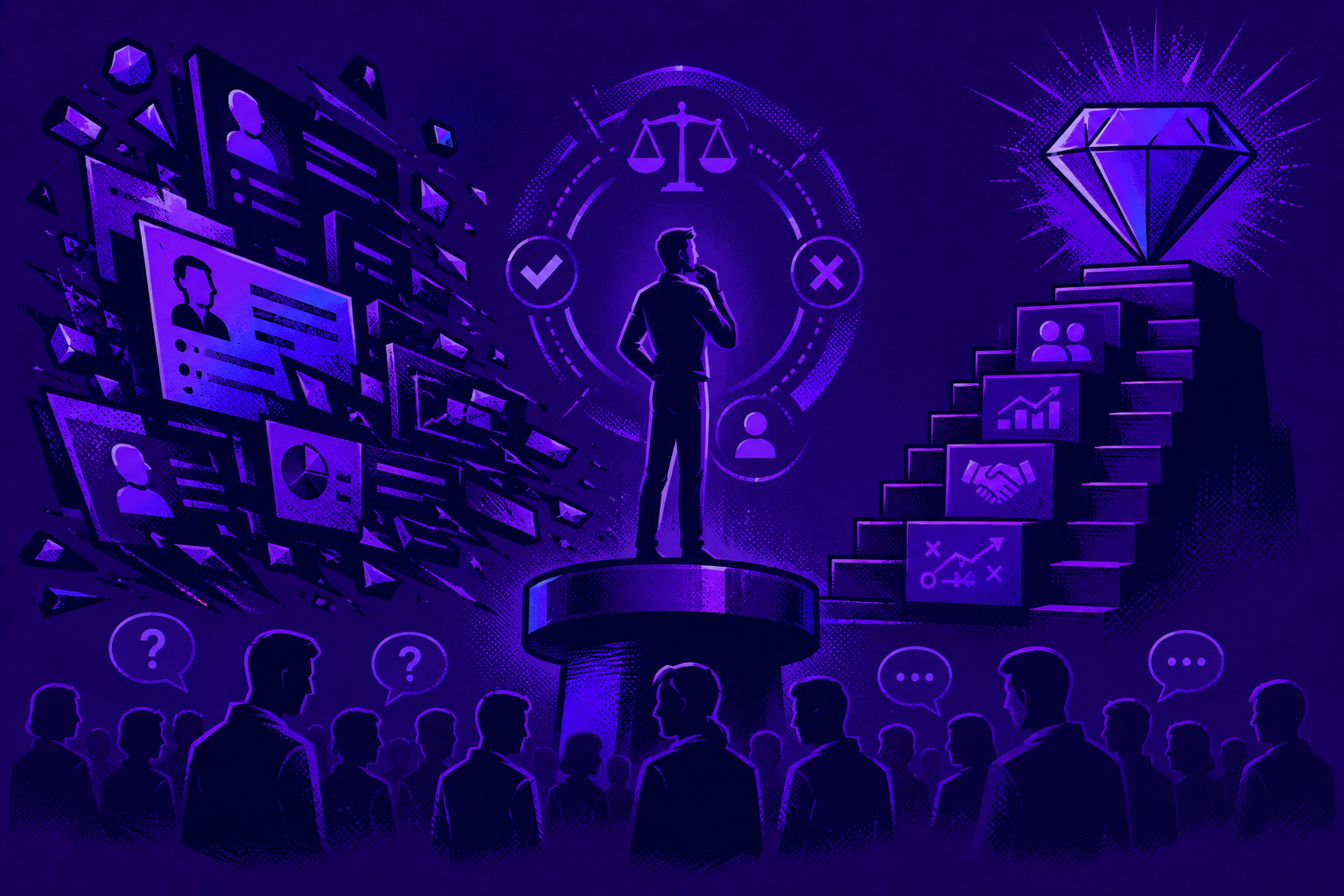
- Aligning Teams Around Customer Emotions: When your sales, marketing, and customer success teams are all in sync, working with sentiment data, you create a seamless, emotionally intelligent customer journey. It’s like giving your entire revenue team a crash course in empathy—and that’s how you build loyalty.
Here’s how some of the big players are using sentiment analysis to drive smarter decisions:
- HubSpot: They’ve baked sentiment analysis right into their CRM, letting teams track customer emotions across every touchpoint.
- Zendesk : Their AI-powered tools dive into support tickets, picking up on frustrated customers and prioritizing their issues—because nothing says loyalty like solving problems before they blow up.
- Gong: They’re using sentiment analysis to give sales teams real-time feedback during calls, so they can adjust their tone and approach, and ultimately, close more deals.
Still feel a bit daunting? Here’s a quick guide on how you can get started:
- Choose the Right Tools: The platforms I listed above (HubSpot, Zendesk, and Gong) have built-in sentiment analysis features. Start with what works and scale as you go.
- Train Your Teams: It’s not enough to just have the tools—you need to make sure your sales, marketing, and customer success teams know how to read and act on sentiment data.
- Integrate with Your CRM: Sentiment analysis packs the most punch when it’s part of your existing workflows. Don’t treat it like some random side project—make it central to your strategy.
Your data stack should serve your strategy, not sabotage it. Full Stack RevOps provides a complimentary Data Efficiency Assessment to help your organization cut through complexity and regain strategic focus.