For years, the mission has been clear: move beyond the HiPPO - the Highest Paid Person’s Opinion. We embraced data-driven decisions to bring more voices into strategy, reduce bias, and ensure the best idea could shine. Organizations invested in dashboards and analytics, building systems to support this new, objective approach.
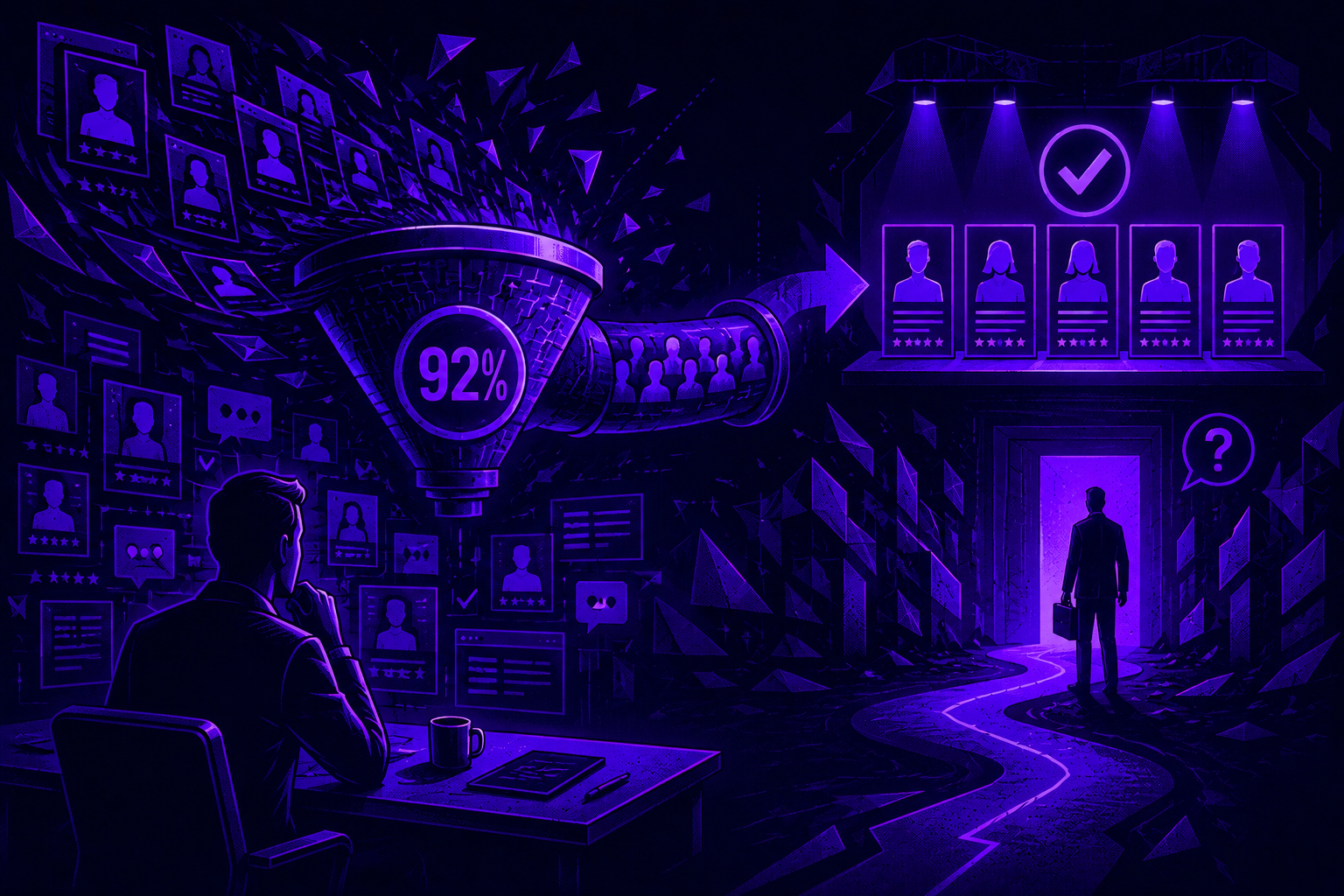
But an unexpected outcome has taken shape. In our commitment to data, we haven't moved past the HiPPO. We've redefined it. We've traded human intuition for algorithmic reliance, fostering a culture where leadership instinct is often sidelined, and the confidence to act on conviction can be seen as going against the grain. The system hasn't freed us from bias; it has established a new, more subtle kind.
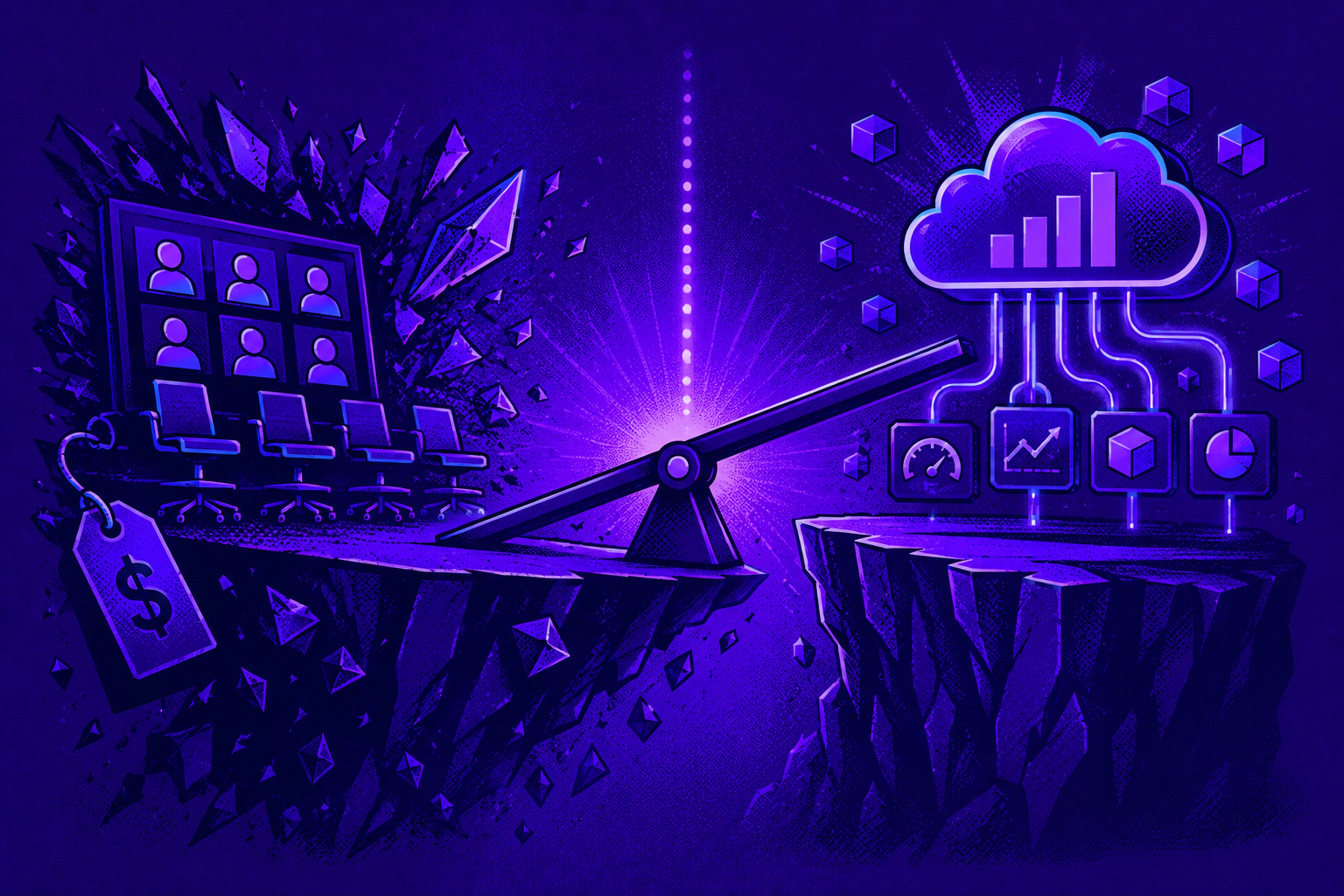
This is the tension at the heart of modern business: in minimizing one source of error (human impulse), we may be minimizing our greatest source of advantage (human wisdom).
The original HiPPO was direct, an executive insisting on a direction based on personal preference. Today's version is quieter, wrapped in the credibility of statistical validation. It shows up in three limiting patterns:
1. The Hesitation Toward Novelty
When a genuinely new idea emerges, one without a historical playbook, the data-driven process often responds: "We don't have the numbers to support that." It cannot quantify a leap into uncharted territory. This environment naturally favours small, proven optimizations over transformational possibilities, slowly limiting an organization's future.
2. The Focus on the Metric, Over the Mission
Teams can become driven to "move the number" on a report, even when that metric drifts from true objectives. A sales team, focused on lead volume, might fill the pipeline with poor fits. A product team, chasing "user engagement," might add features that don't add value. The data looks strong, but the business isn't healthier. We optimize for what we measure, not what matters.
3. The Distance from Accountable Judgment
When every choice requires a "data backup," it can create a buffer for responsibility. Leaders can gesture to a dashboard and state, "The data guided us here." This distances them from the courage and ownership that leadership requires. If the outcome is poor, the algorithm takes the weight. If it succeeds, the leader claims the credit. True accountability fades.
The goal isn't to go back to decisions based solely on gut feeling. It's to achieve a more effective balance: a culture that is Instinct-Informed and Data-Intelligent. This means seeing data and intuition not as rivals, but as partners in a single process.
Intuition is accelerated pattern recognition. It’s the rapid synthesis of a leader's experience, insight, and peripheral vision, connecting dots the system isn't designed to link.
Data is expanded pattern recognition. It finds correlations and likelihoods across large datasets, free from an individual's blind spots.
The leader's task is to hold both. A strong instinct proposes a direction; rigorous data then examines it. Data flags an irregularity; instinct provides the context to understand it.
To build this culture, establish clear guidelines for when to rely on data and when to empower instinct.
1. Define the Decision Landscape
Categorize decisions by their nature:
Type 1: Data-Guided Decisions (e.g., Budget adjustments, campaign optimization). Here, data should lead.
Type 2: Judgment-Led Decisions (e.g., Entering a new market, defining brand vision). Here, data should inform, but instinct, ethics, and strategy must guide.
Type 3: Adaptive Synthesis Decisions (e.g., Strategic pivots, managing a crisis). This is the critical middle ground, requiring rapid cycles between instinct (forming a response) and data (testing its effect).
2. Introduce a "Pre-Mortem" for Major InitiativesFor any significant strategic move, especially one with little precedent, conduct a formal pre-mortem. Gather the team and ask: "Imagine it's 18 months from now. This initiative did not meet our hopes. What are the top three reasons why?" This practice uses collective instinct and experience to uncover risks data can't yet see, building a stronger plan from the start.
3. Establish "Insight-First" Spaces
Create dedicated forums for instinctive exploration. This could be a quarterly session where historical data is temporarily set aside, or a protected budget for projects approved based on a compelling vision of future value, not just past performance metrics. Guard the space where new ideas can emerge.
4. Recognize Respectful Challenge
Acknowledge and reward leaders who thoughtfully questioned the data with a stronger contextual case and were proven correct. Make it culturally acceptable to say, "The model suggests X, but I see Y because of A, B, and C. Here's a quick way we could test this perspective." This turns healthy debate into a learning opportunity.
The future leader is not a data expert or an instinct-only visionary. They are an Integrator. Their essential skill is guiding the conversation between what the numbers indicate and what the collective experience senses.
They ask new questions:
"What context might our data be missing?"
"What does our team's experience suggest that this trend doesn't show?"
"If we had no data, what would our instinct be? How can data help us explore that?"
The true risk is not that systems will replace leaders, but that leaders will begin to operate like systems, valuing correlation over cause, precedent over potential, and certainty over thoughtful courage.
Moving beyond the HiPPO was never about removing judgment. It was about improving it. And sometimes, the weakest judgment is to relinquish our judgment entirely.
Reclaim the instinct. Question the data. Your organization's most powerful asset isn't stored in a database; it's in the accumulated wisdom, courage, and vision of your people. Use the system to inform the journey, but never let it choose the destination alone.
The future is shaped by leaders who can read the dashboard and understand the room.
To explore a tailored framework for your brand’s specific data assets and growth goals, a direct conversation is the essential next step. Fill out the form below to book your session today.