You’re not imagining it, the ground is shifting. The strategies that built yesterday’s iconic brands are no longer enough to capture today’s fragmented attention or anticipate tomorrow’s customer needs. In this new landscape, a quiet revolution is underway, powered not by flashy campaigns, but by algorithms that learn. This is the rise of Machine Learning (ML), and it’s transforming brands from storytellers into sophisticated, adaptive systems.
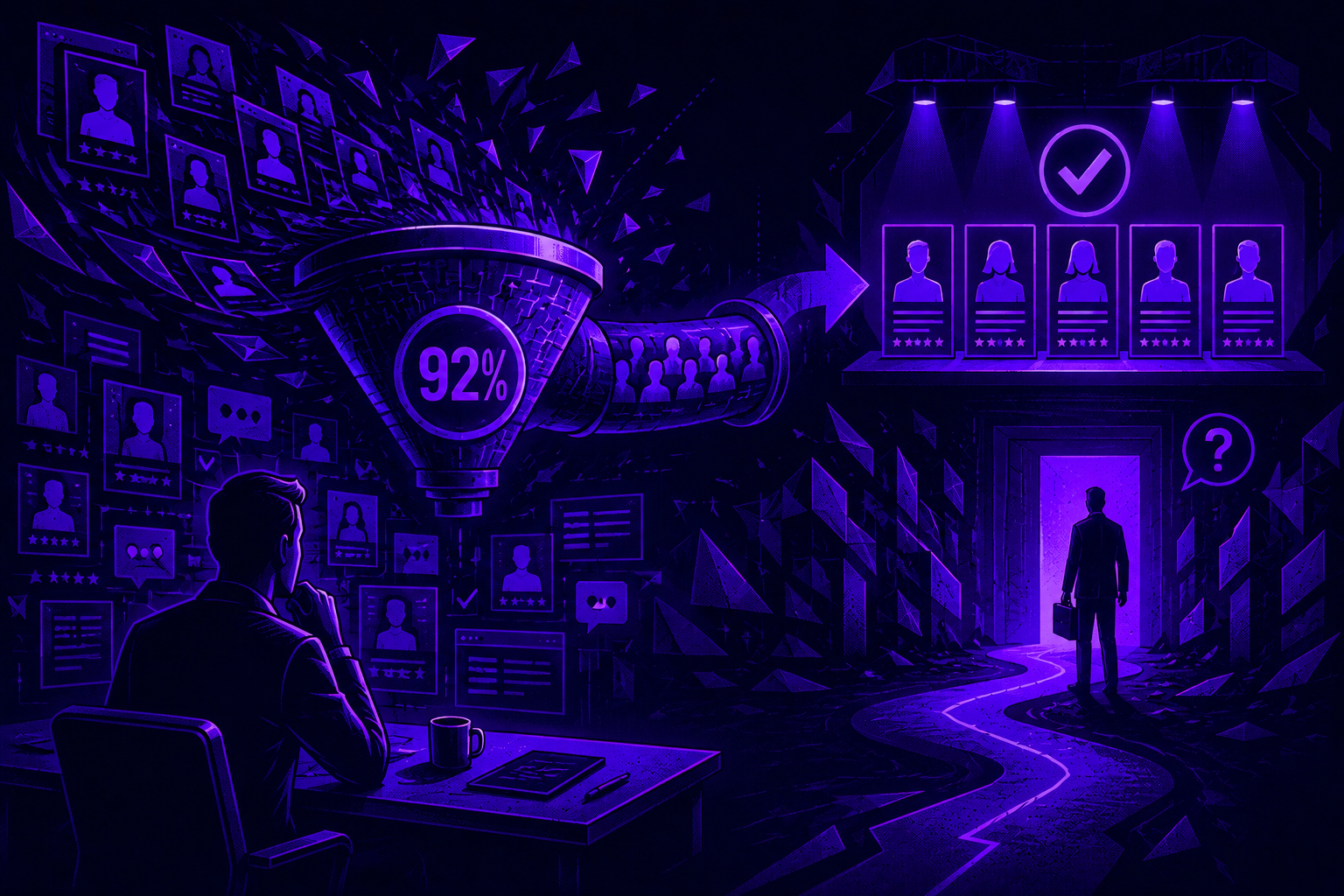
Forget the hype and the technical jargon. At its core, Machine Learning is simply a branch of artificial intelligence where computer systems learn from data to improve their performance at a task, without being explicitly reprogrammed. Instead of following rigid "if-then" rules, an ML model identifies patterns in your customer data, market trends, or content performance, and uses those patterns to make increasingly accurate predictions or decisions.
Think of it this way: a traditional rule-based system is like a GPS that only knows the maps you’ve manually entered. Machine Learning is the Waze app on your phone, it learns from the real-time behaviour of millions of drivers to predict traffic, find faster routes, and adapt to accidents before you even see them. It gets smarter with every journey.
For forward-thinking brands, ML is the engine for a fundamental upgrade across three critical domains: customer understanding, operational intelligence, and creative agility.
Personalization 1.0 was about reacting to the past ("You bought this, so here’s something similar"). ML enables Predictive Personalization, anticipating the future.
Social listening tells you what’s being said. ML-powered sentiment and trend analysis tells you what it means and where it’s headed.
ML removes the guesswork from creative investment and inventory management, tying marketing directly to business outcomes.
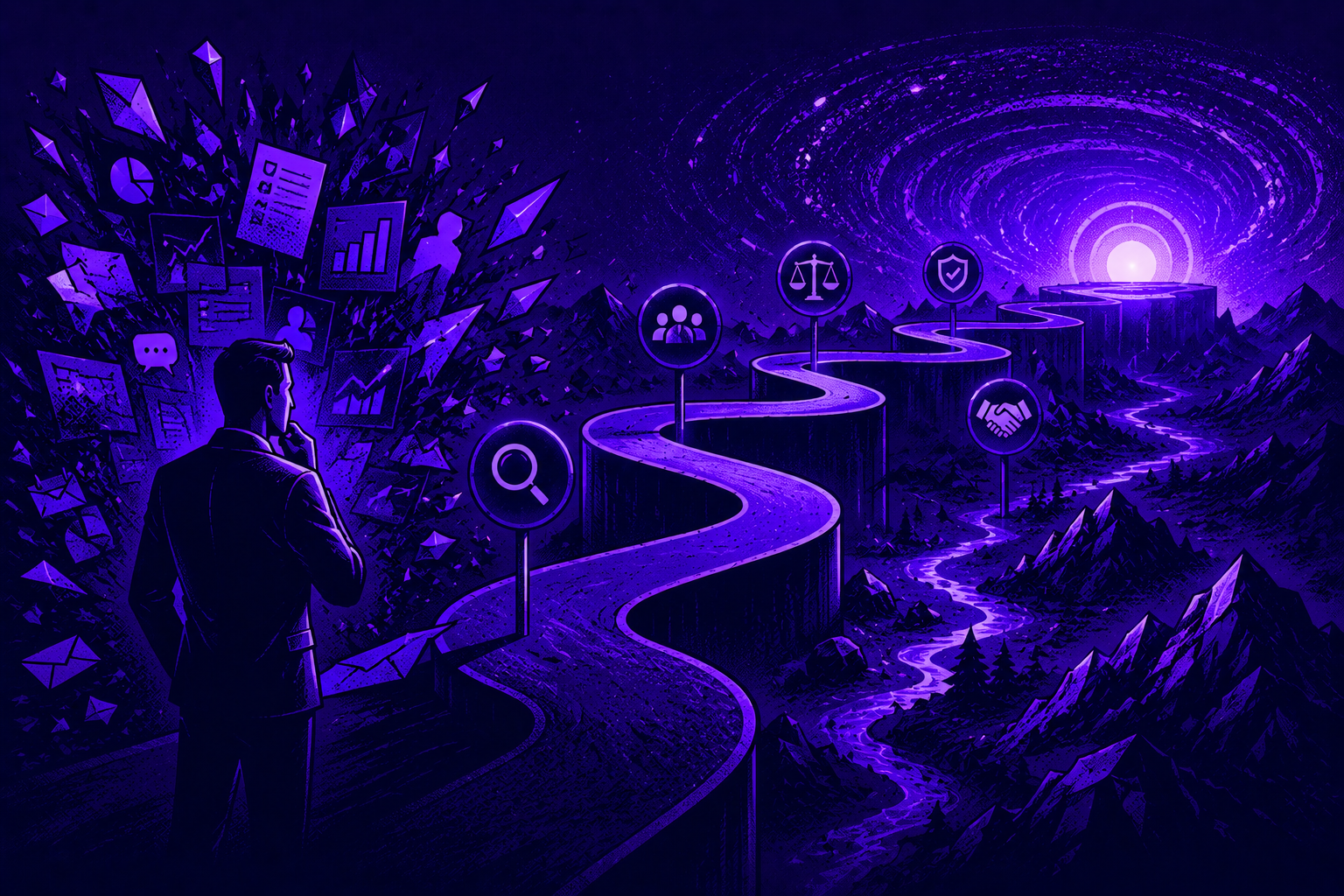
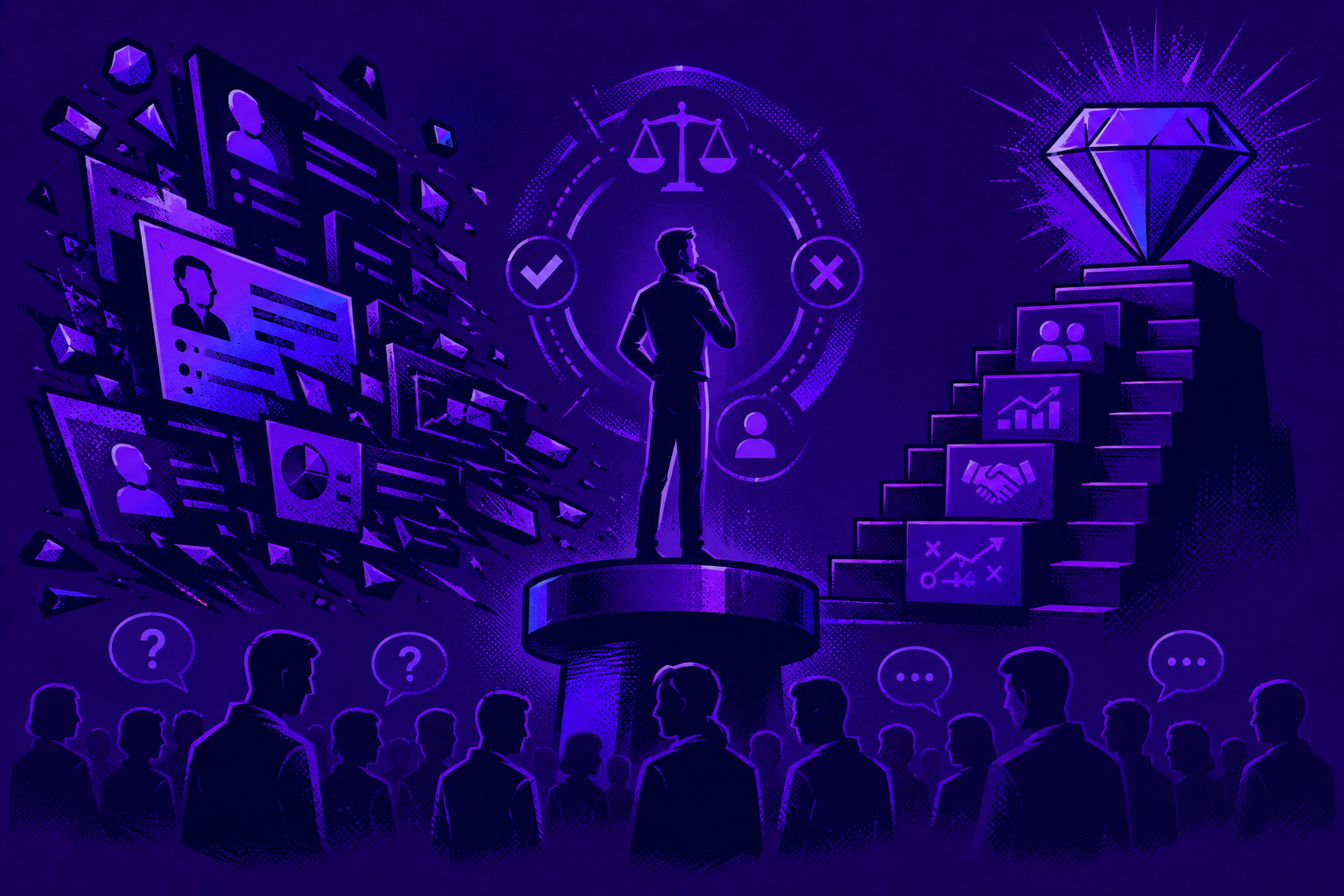
You don't need to become a tech giant overnight. Adopting ML is a strategic climb. Here is a straightforward, four-stage path to progress.
Stage 1: AWARE
This is the foundation. Focus on education and identifying opportunities. Ask: "Where is ML creating tangible value in our industry?" The action here is internal: audit your existing data and pinpoint one or two high-impact, low-risk areas for a pilot, like predicting customer churn or optimizing ad spend.
Stage 2: EXPERIMENTAL
Time for a controlled test. The key question becomes: "Can we build a model that actually improves a specific outcome?" The action is to run a focused pilot using a user-friendly cloud ML service (like Google Vertex AI or Azure Machine Learning) on a single, clean dataset.
Stage 3: OPERATIONAL
Here, you move from project to process. Ask: "How do we make these insights actionable for our teams every day?" The action is integration. Embed ML predictions into existing workflows, for example, injecting lead quality scores directly into your Salesforce dashboard or sending forecast alerts to a Slack channel.
Stage 4: TRANSFORMATIONAL
This is where strategy gets redefined. The question shifts to: "How can ML fundamentally change our value proposition?" The action is innovation, using ML to launch new products or services, like a truly personalized subscription box or a predictive maintenance offering for your clients.
Your journey likely starts at Stage 1 or 2. The goal isn't a frantic leap to Transformation, but a confident, first step onto the ladder.
Q: We’re not a tech giant. Do we have enough data for this to work?
A: Absolutely. Quality trumps quantity. A clean, well-structured dataset on your core customers (even 10,000 records) is far more valuable than terabytes of messy, unstructured data. Many powerful ML techniques work exceptionally well on "small data." Start with what you have.
Q: This sounds expensive. What’s the real cost?
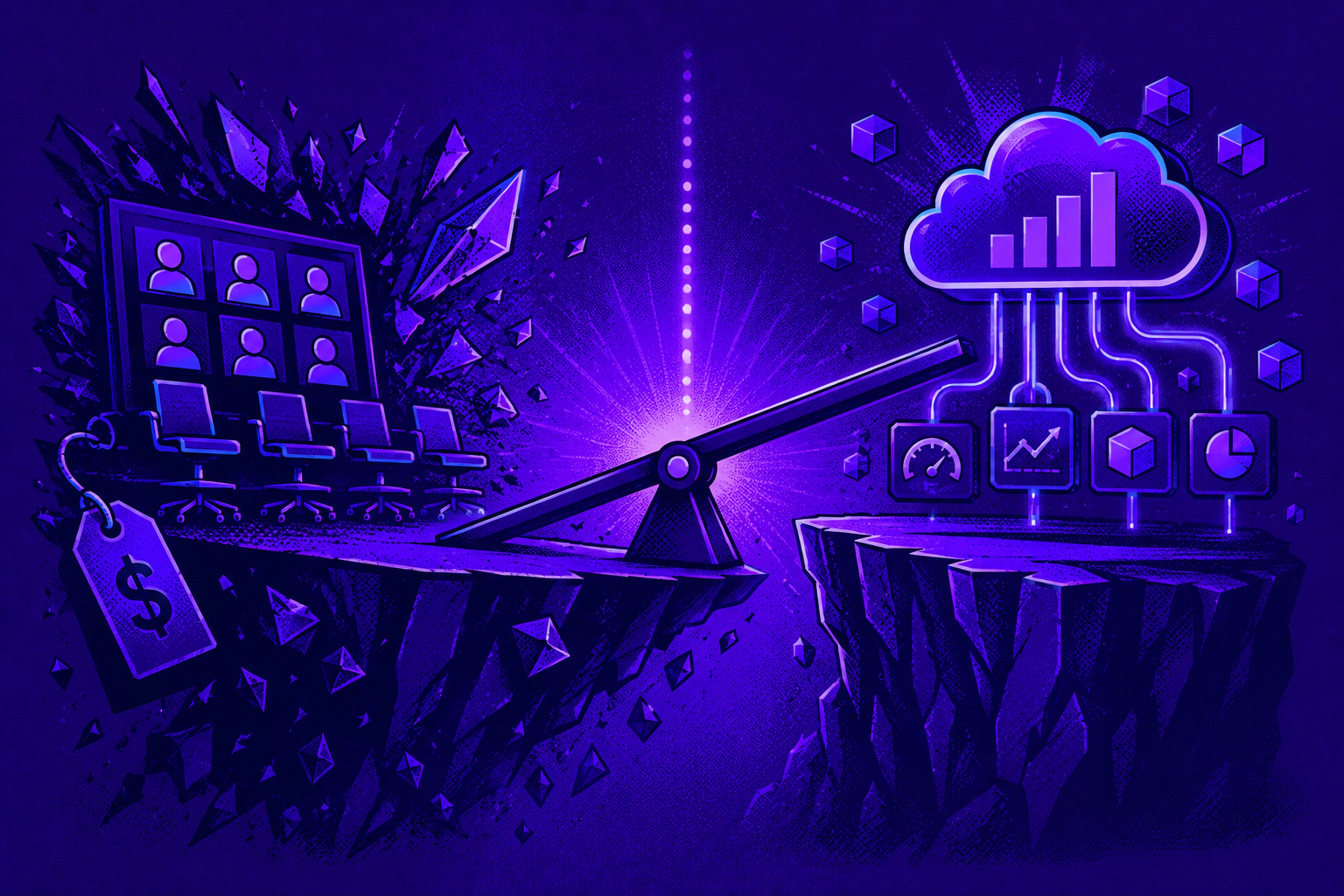
A: The cost landscape has changed dramatically. You no longer need a PhD team to start. Cloud-based ML platforms (from Google, Microsoft, Amazon) operate on a pay-as-you-go model, making sophisticated tools accessible. The larger cost is often organizational, dedicating time to clean data and redefine processes.
Q: How do we get started without a dedicated data science team?
A: Begin with Augmented Analytics. Tools like Power BI, Tableau, and Looker now have built-in ML capabilities that can automatically surface insights, forecast trends, and detect anomalies from your existing data. This "ML-lite" approach lets your analysts ask smarter questions and prove value before any major investment.
Q: Won't this make our brand feel impersonal and robotic?
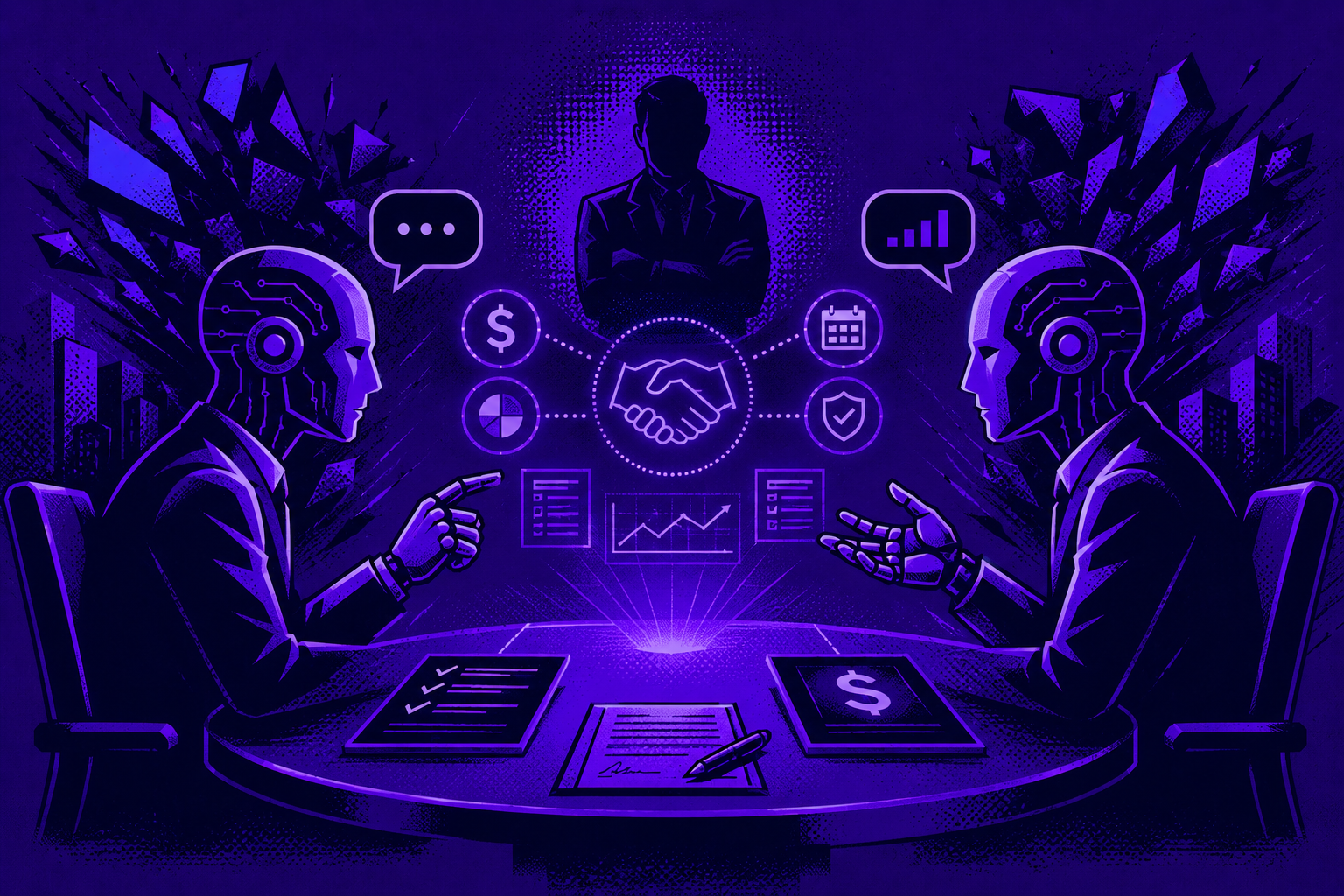
A: On the contrary, used ethically, ML handles the computational heavy lifting, the pattern recognition at scale, freeing your human teams to do what they do best: exercise creative judgment, build emotional connections, and design the overarching brand strategy. The machine identifies the "what" and "when," and your team crafts the "why" and "how."
Machine Learning is not another marketing channel. It is a capability multiplier that sharpens every aspect of your brand, from how you understand your customer to how you manage your margin. It closes the gap between insight and action.
The brands that will lead tomorrow are not just collecting data today; they are teaching their systems to learn from it. The question is no longer if ML will impact your category, but whether you will be using it to redefine the rules or scrambling to catch up to those who already are.
This article serves as a strategic primer. To explore a tailored ML adoption framework for your brand’s specific data assets and growth goals, a direct conversation is the essential next step. Fill out the form below to book your session today.